Main Points
From the beginning of the project, we set a series of goals that guided every stage of development—from material research to the final product definition. These objectives were structured around four key pillars: design, technique, concept, and user.
From a design perspective, our goal was to create a contemporary luminaire with a strong identity—one that not only fulfilled its lighting function but also spoke its own visual language. We aimed for a product that would interact with light, generating textures, shadows, and nuances that add emotional and aesthetic value to the user experience.

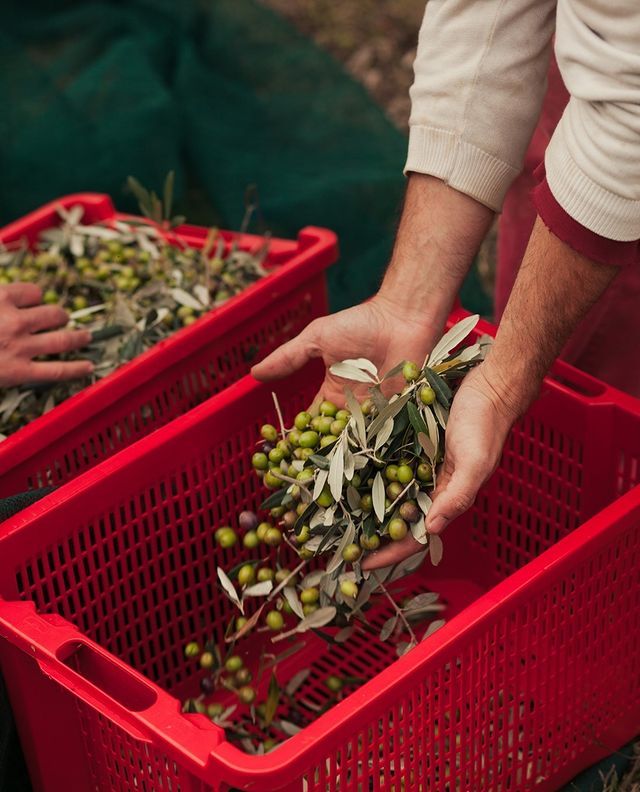
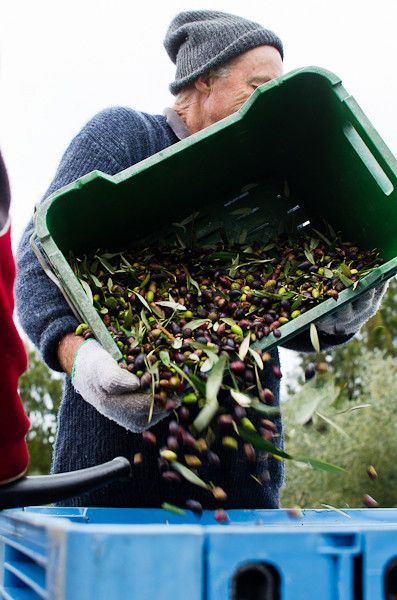

The Material – Reolivar
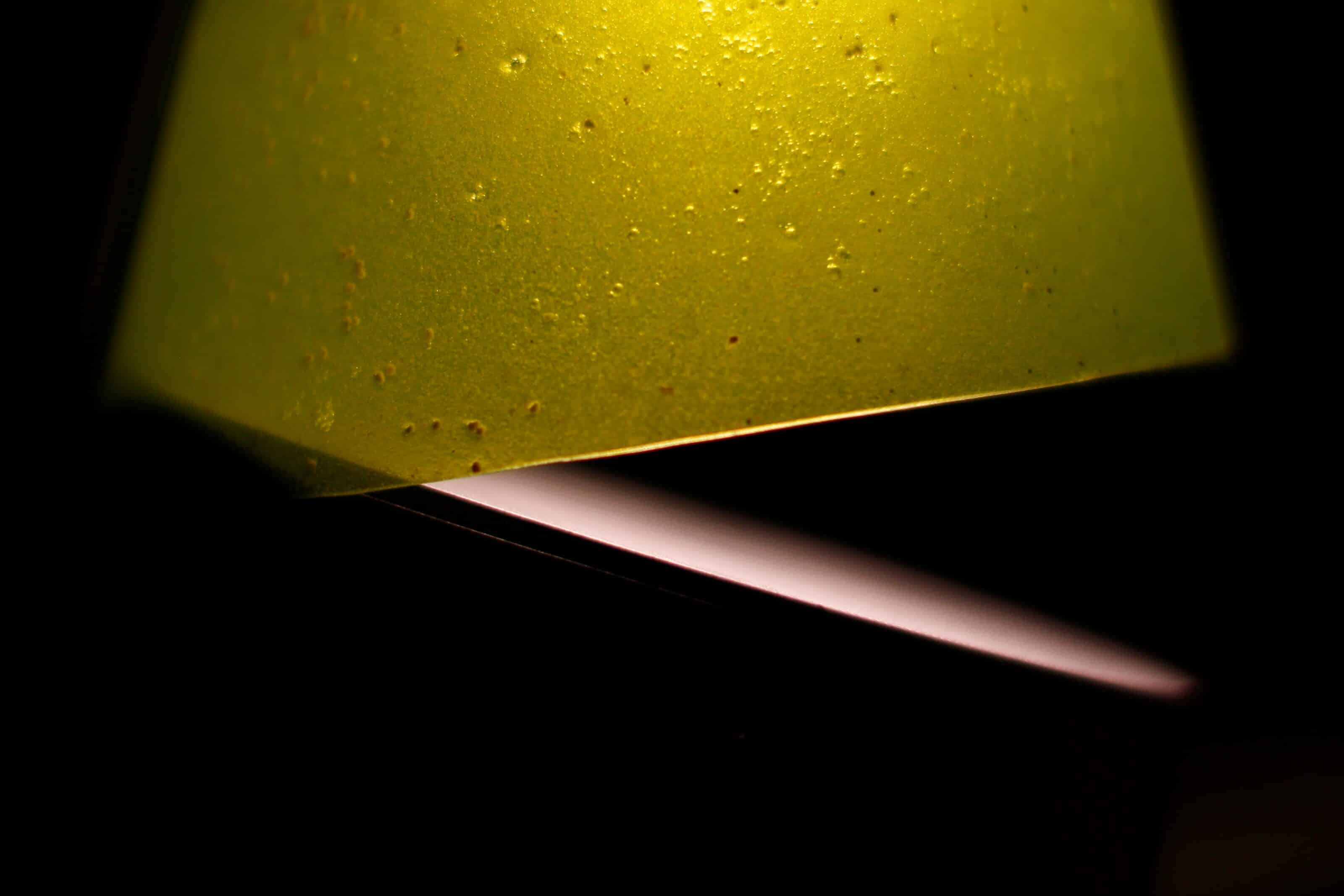
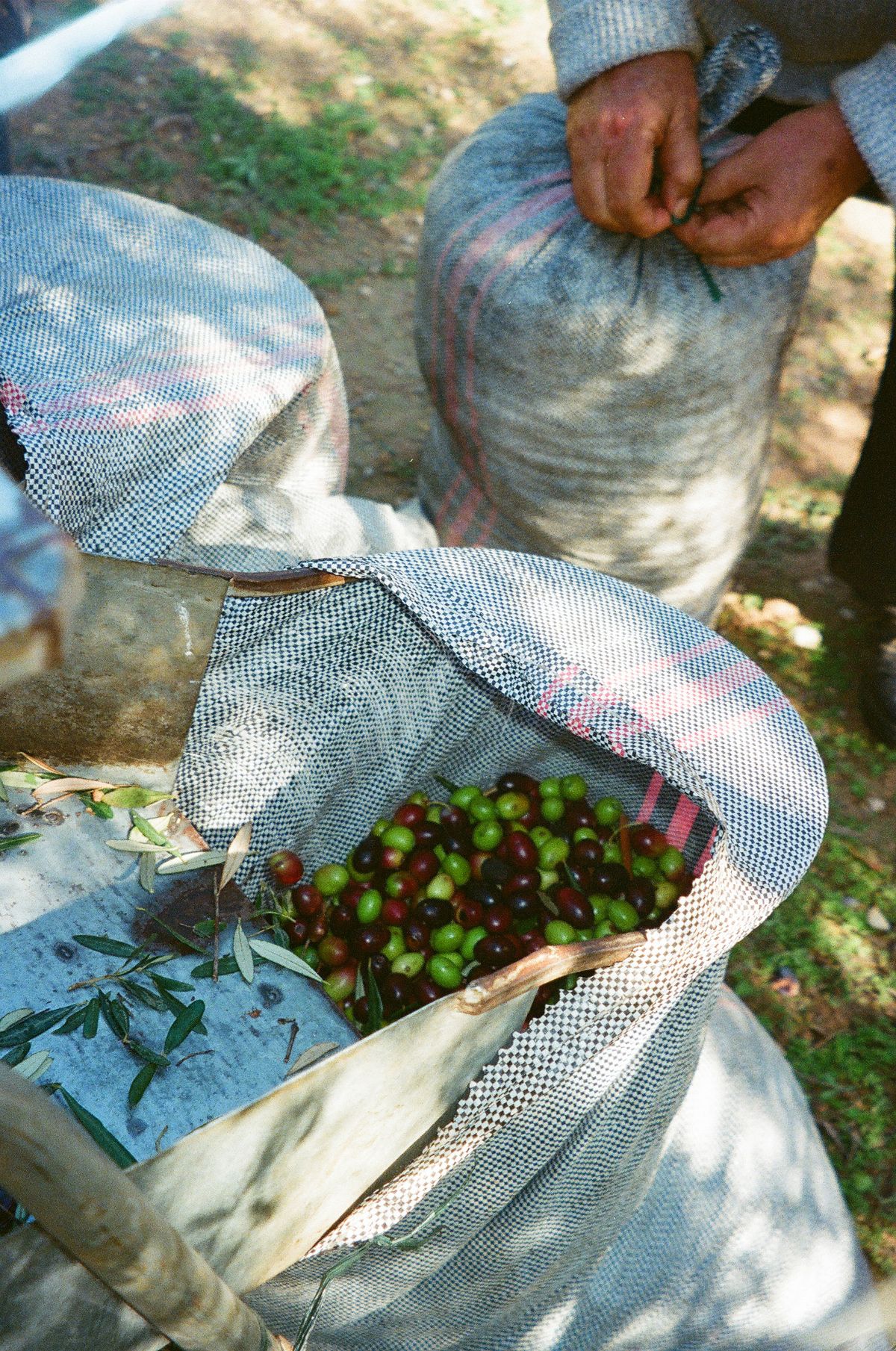
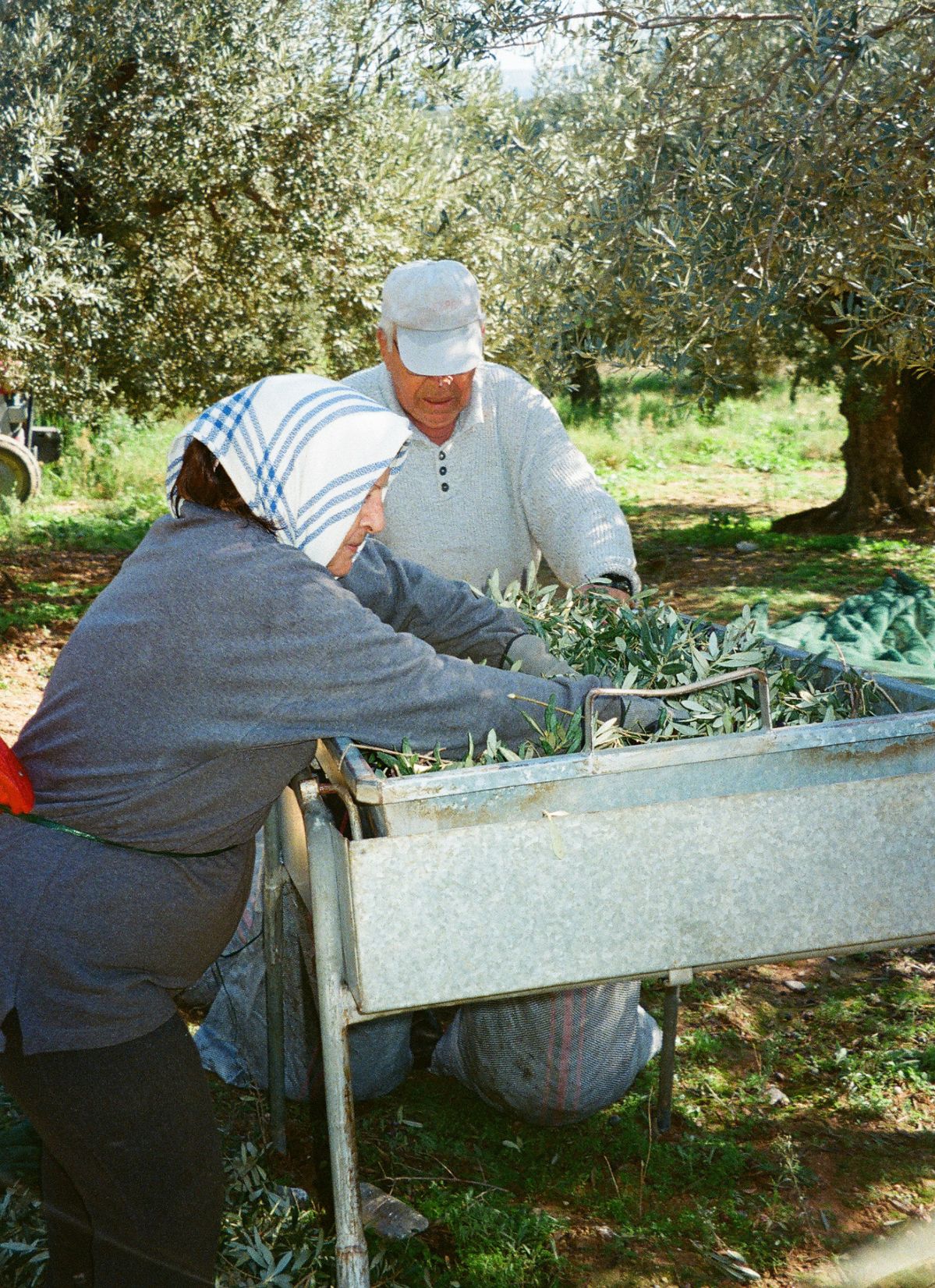
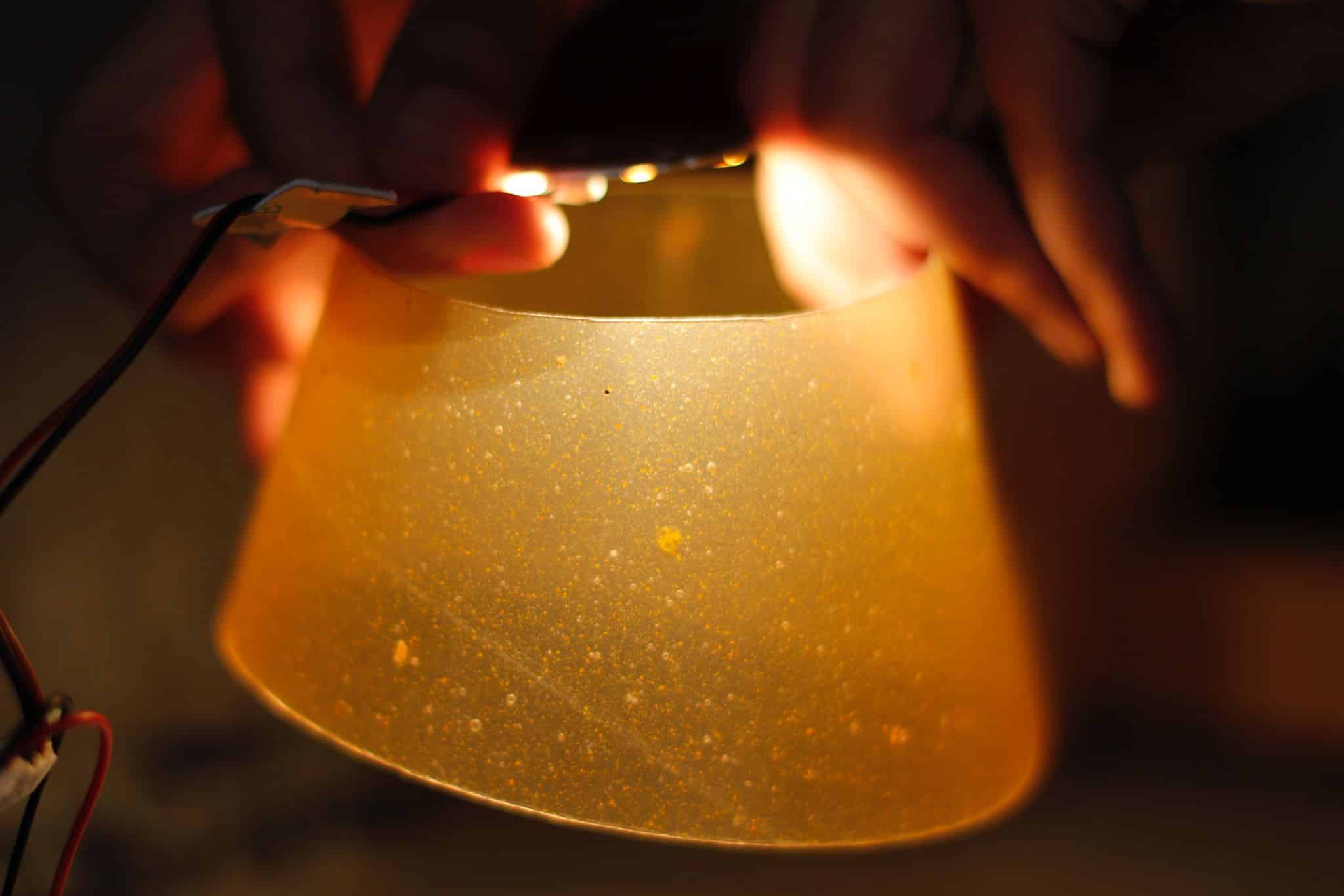
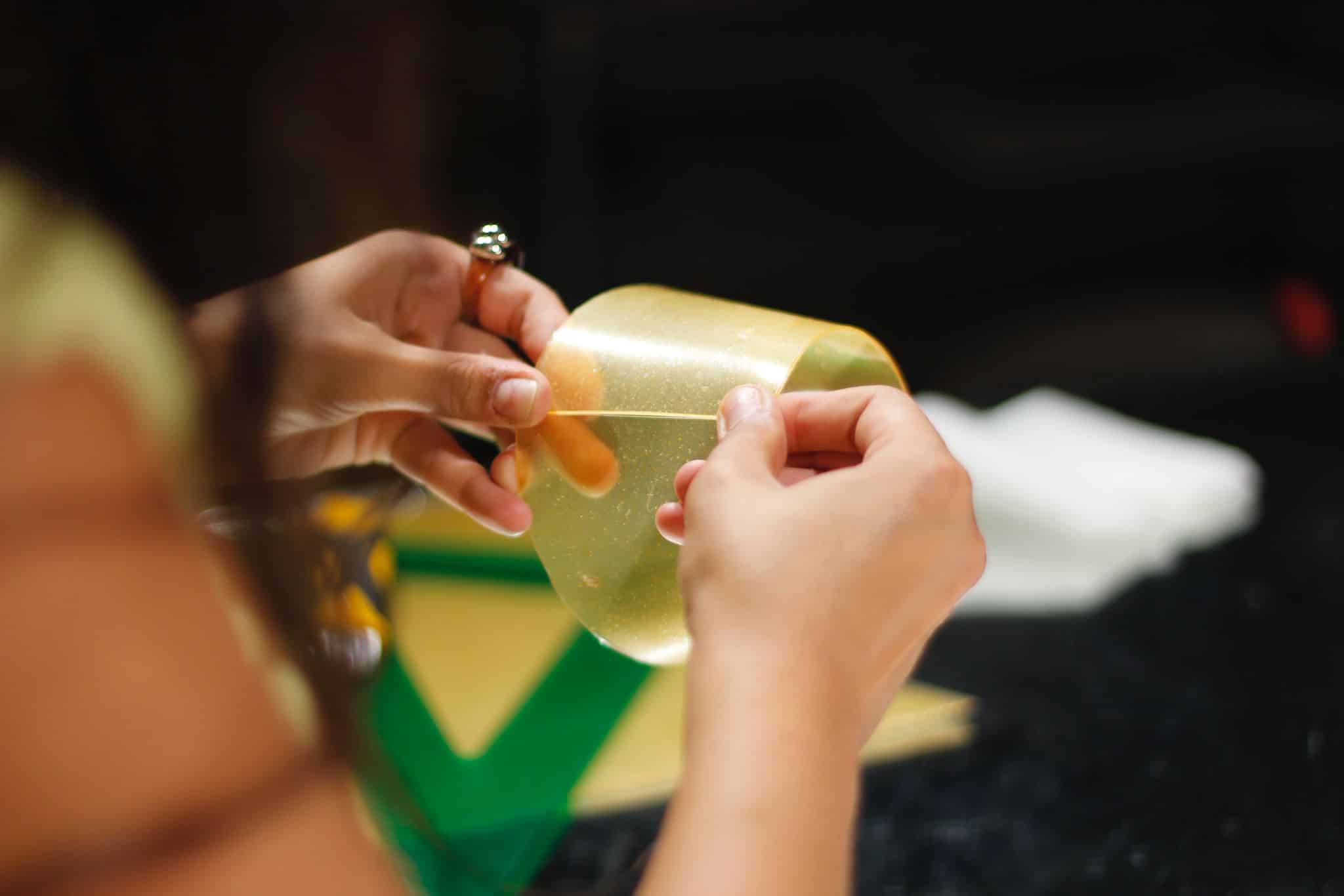
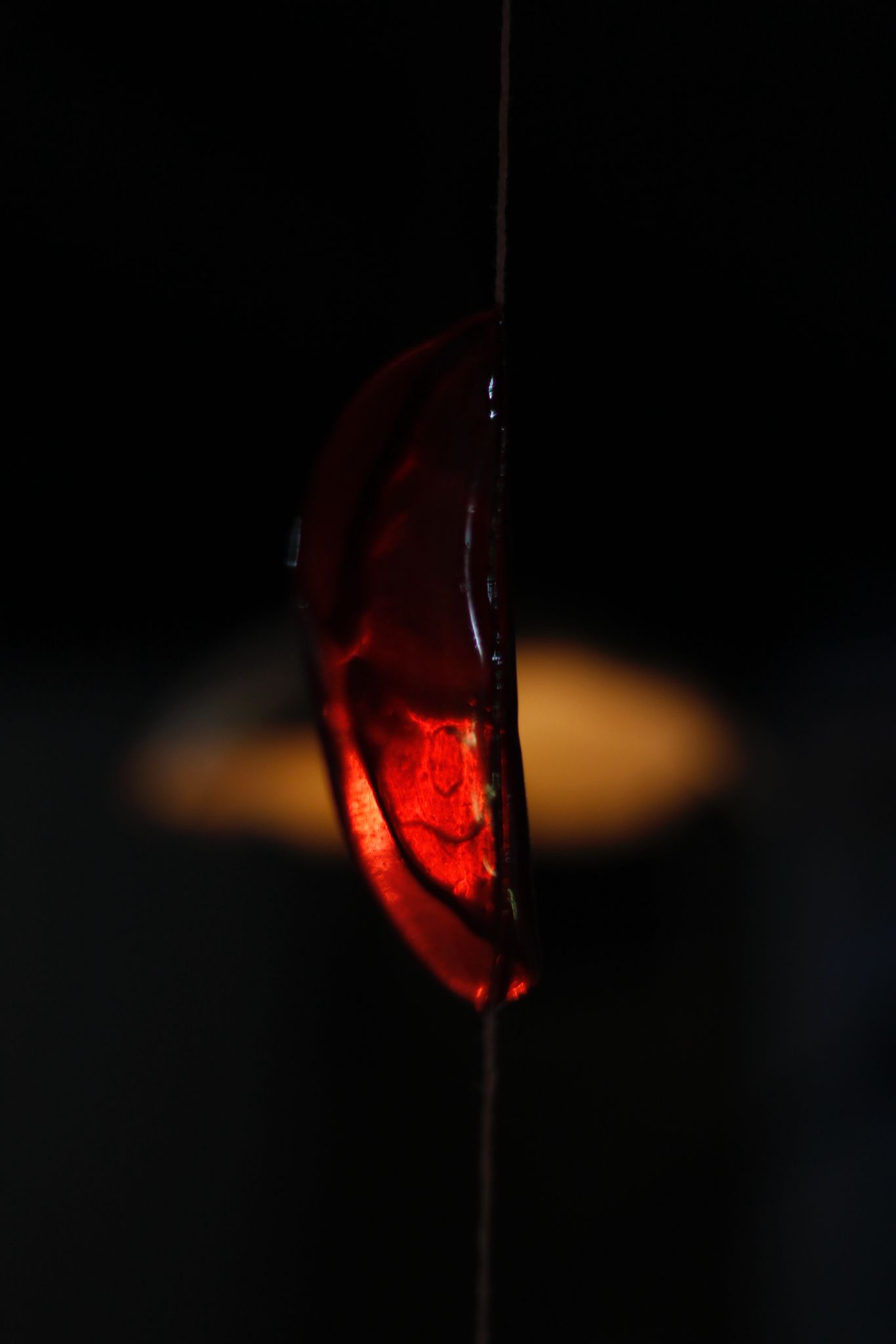
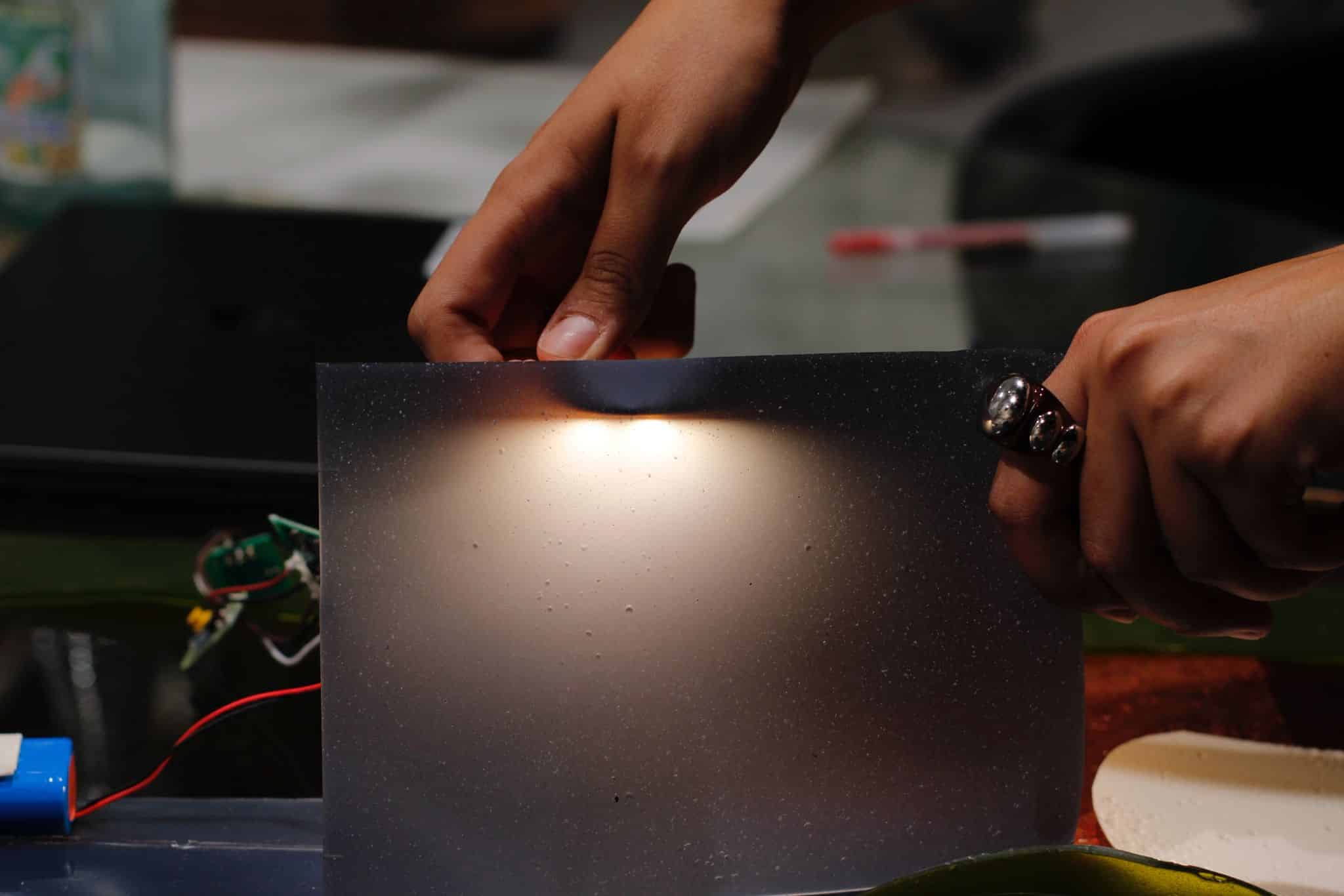
Reolivar was chosen mainly for its local and accessible origin. Developed by NaifactoryLab, a biomaterials studio based in Barcelona, it allowed direct contact with the creators and hands-on experimentation. Beyond its practicality, its use of recycled olive pits brought strong cultural symbolism. Reolivar stood out for its interaction with light—filtering it without fully diffusing it—and for its organic, visually rich surface. Its ability to incorporate natural pigments allows for a surprisingly diverse range of finishes. This rare combination of local production, cultural meaning, expressive quality, and direct collaboration enabled a more conscious and coherent project development.
The Concept – The Toast
This project was born from a deeply human and symbolic gesture: the toast. A simple yet universal act that marks a moment of connection between people—laden with emotion, wishes, and quiet complicity. By observing that fleeting instant when two glasses meet and produce a crystalline sound, the idea emerged to capture not just the physical gesture—the curved, unpredictable line they trace—but also the emotional resonance that surrounds it.
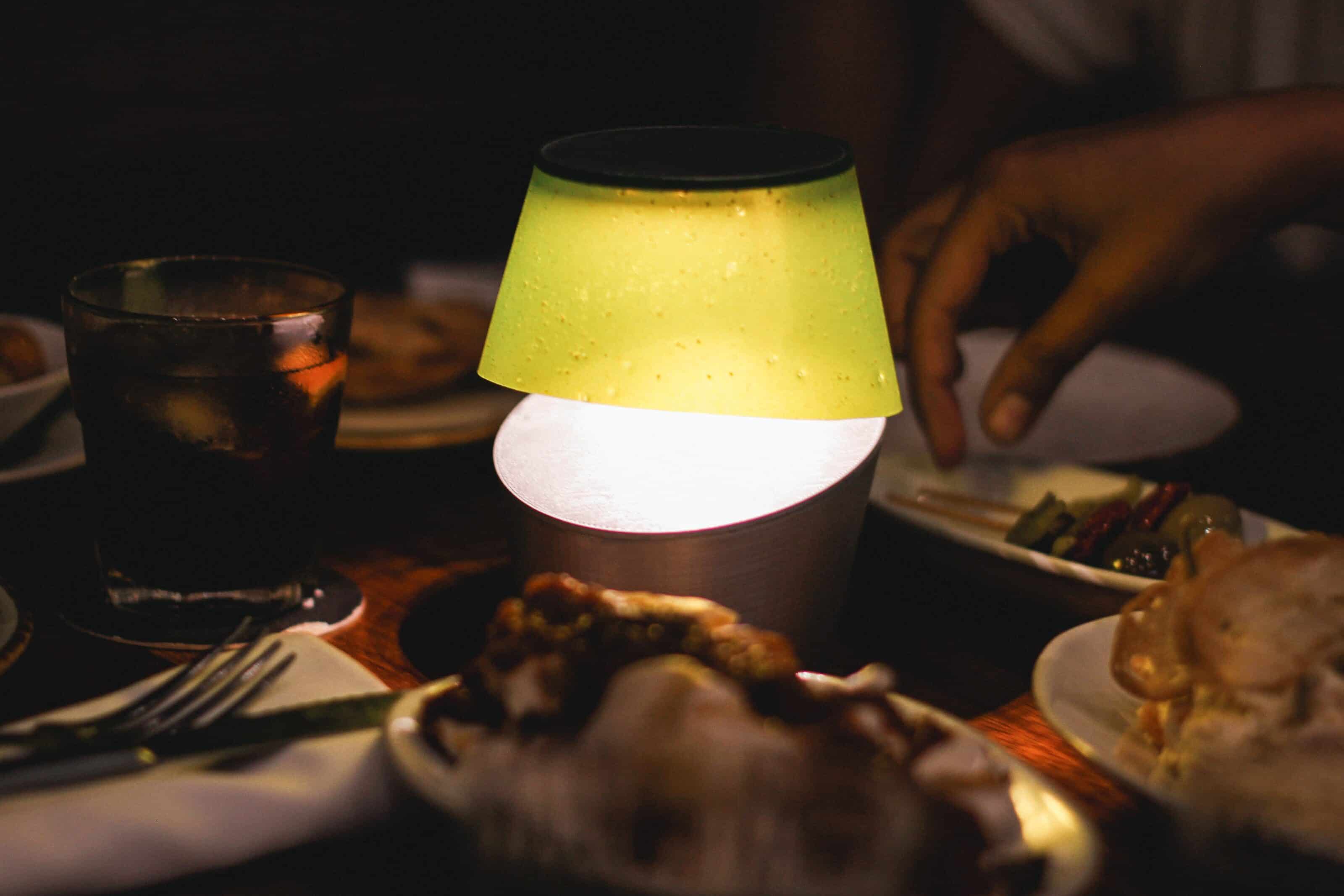
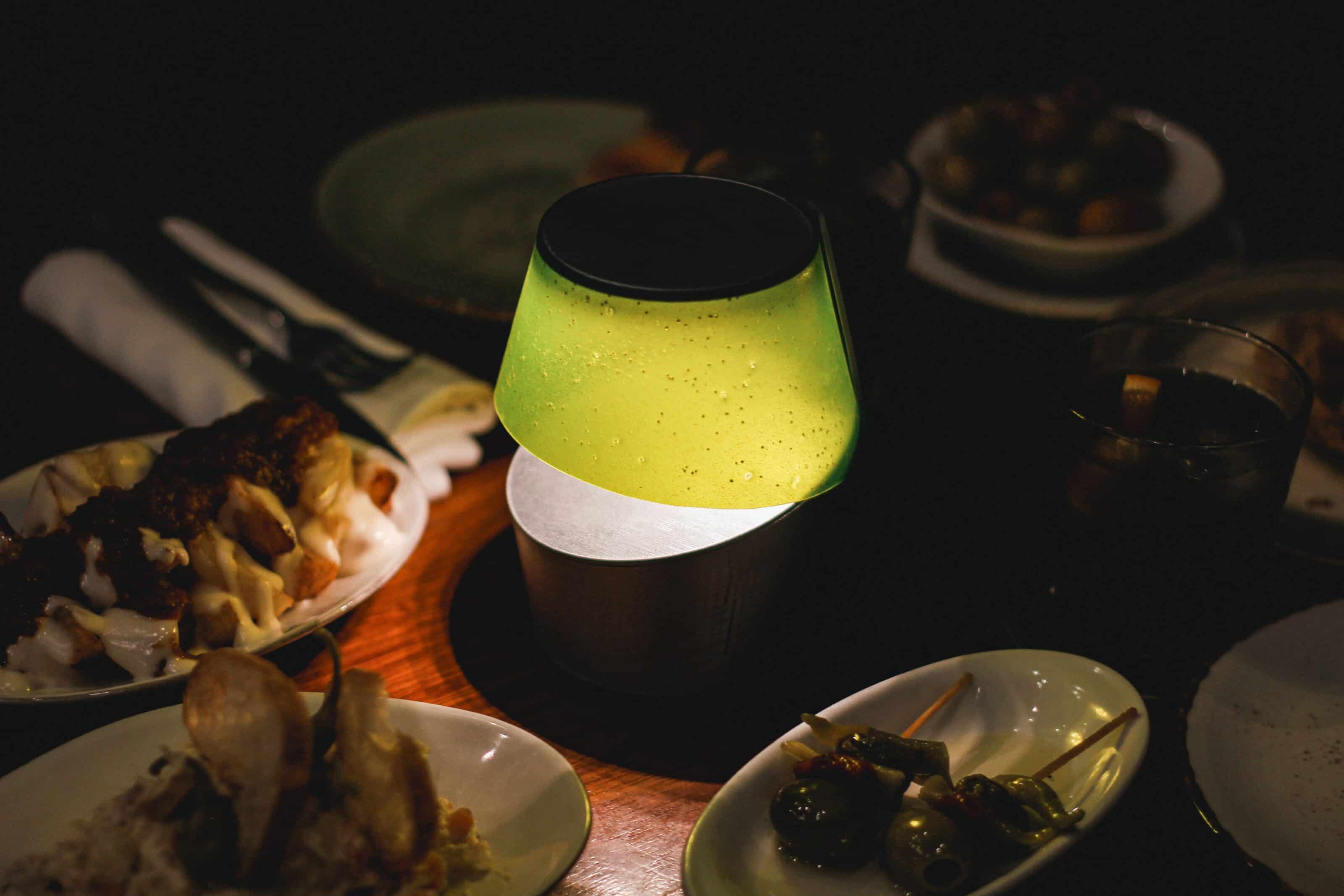
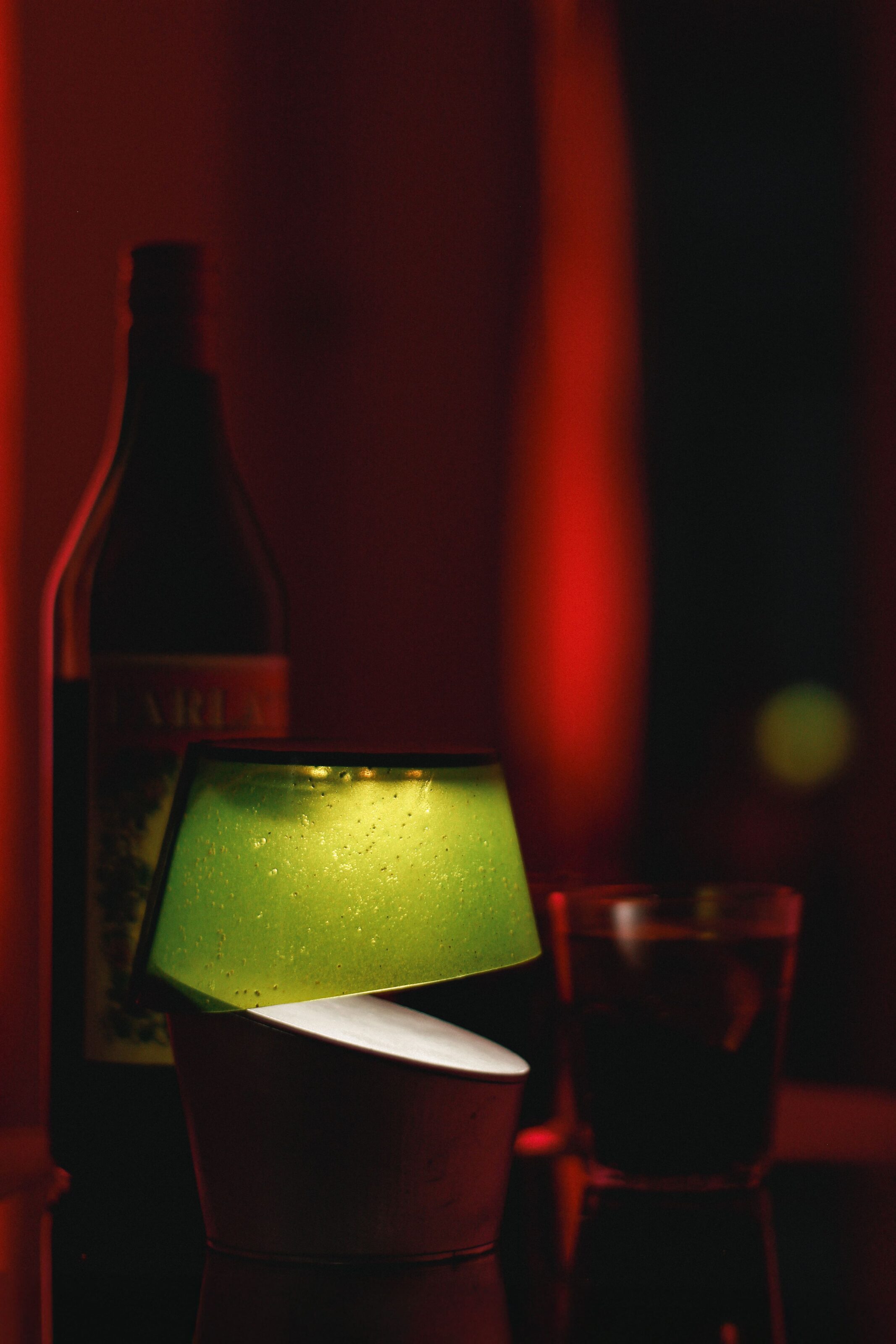
Yet the focus wasn’t solely on the gesture, but also on the setting in which it takes place: the vermouth table. A quintessentially Mediterranean scene, where time slows down, natural light pours in gently, and conversations flow spontaneously over drinks and small bites. It’s a relaxed, informal ritual—one where everyday life becomes meaningful.
The goal was to translate that atmosphere into a light fixture that goes beyond utility—one that evokes memory and emotion. A lamp that doesn’t just illuminate, but recalls moments of warmth, connection, and familiarity. It was designed not to interrupt the scene, but to subtly accompany it, casting a soft, enveloping glow.
This perspective led to designing the lamp not as an isolated decorative object, but as part of a cultural and emotional narrative. The piece becomes part of the ritual—it blends into the ambiance, enriching the moment with poetic presence. It’s a lamp that interacts with space, people, and memory, offering warmth, elegance, and a quiet sense of meaning.

The Design
From the beginning, the lamp was conceived as a discreet presence—meant to accompany rather than stand out. Its goal is not to light large spaces, but to create a warm, intimate atmosphere, perfect for bar tables or quiet corners at home.
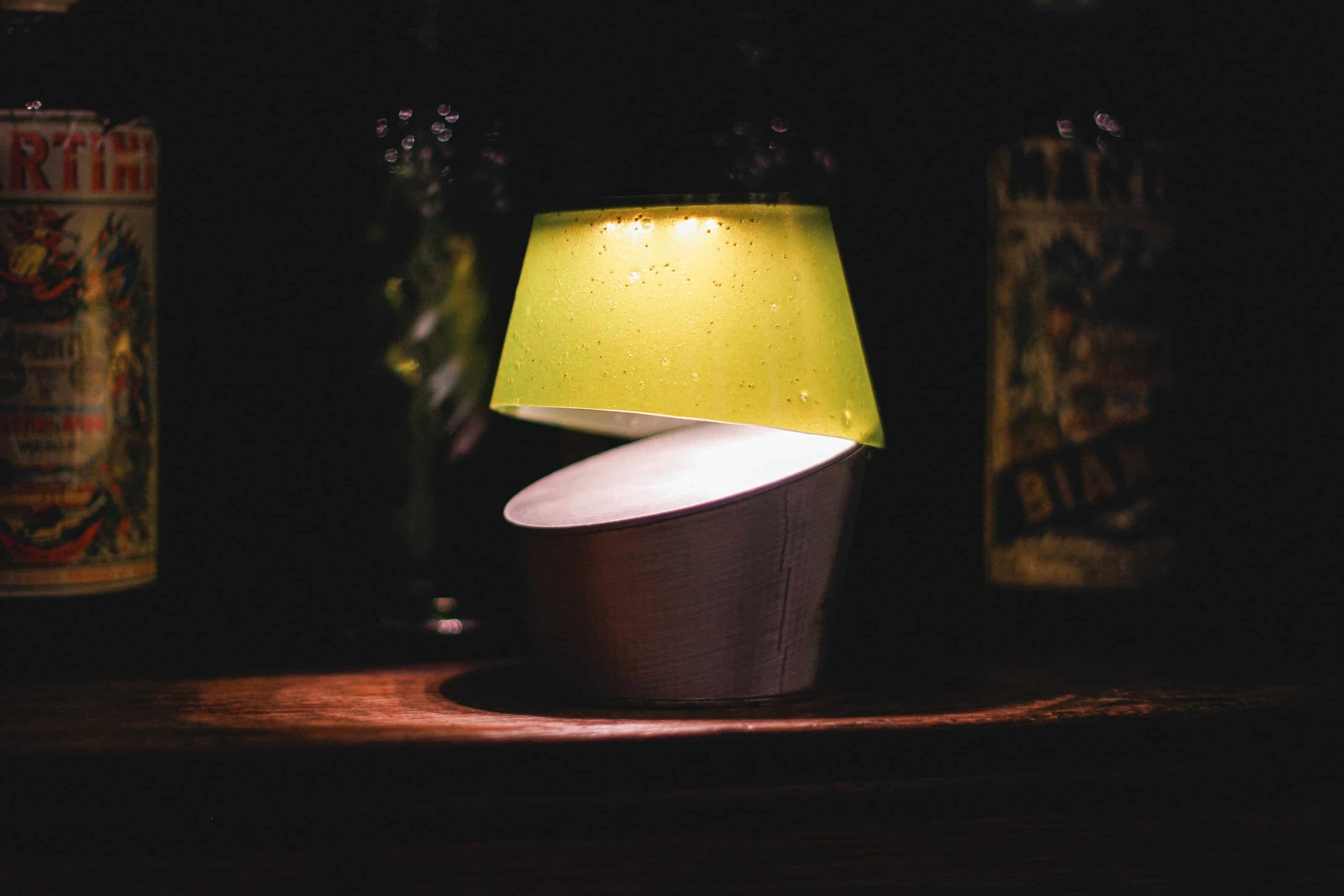
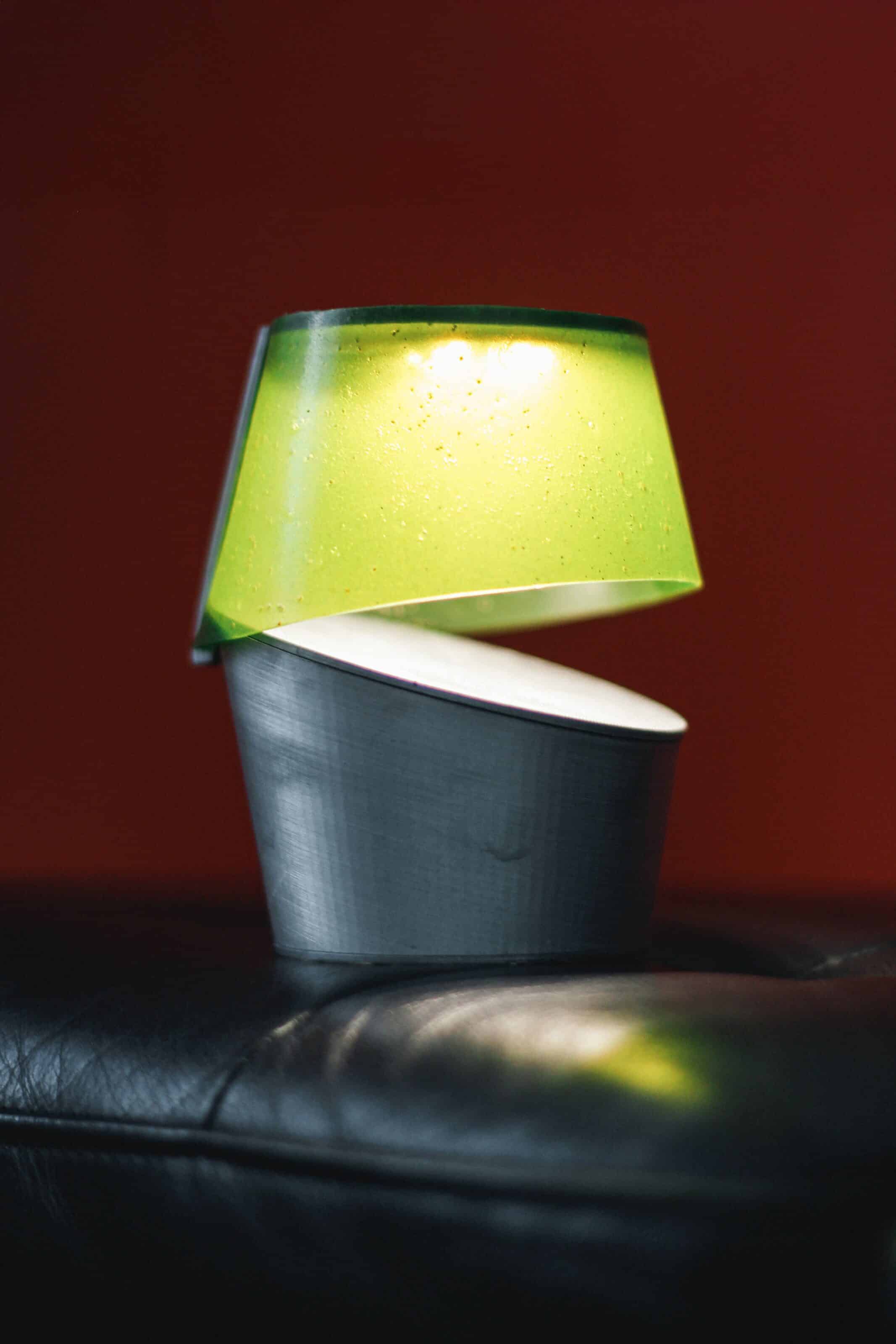
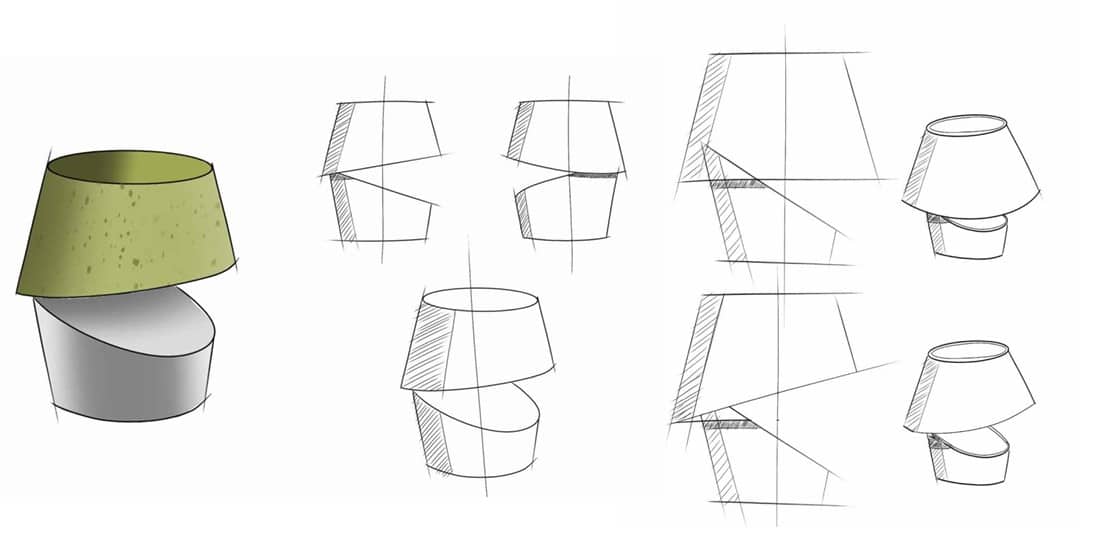
Aesthetically, it follows a sober, timeless design language, in line with brands like Marset. The tilted conical shape adds subtle movement, while the speckled texture of the material offers visual richness, both lit and unlit.
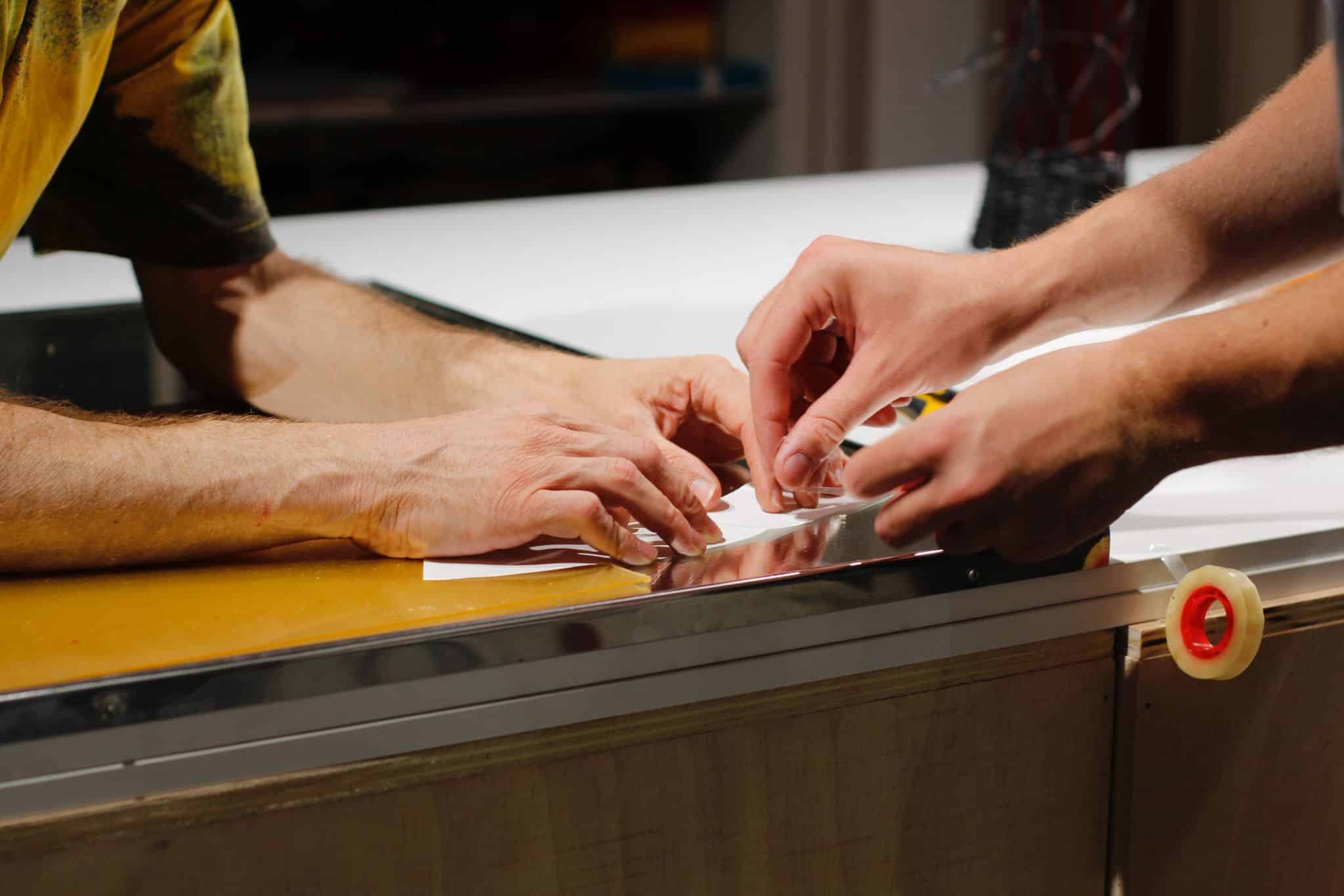
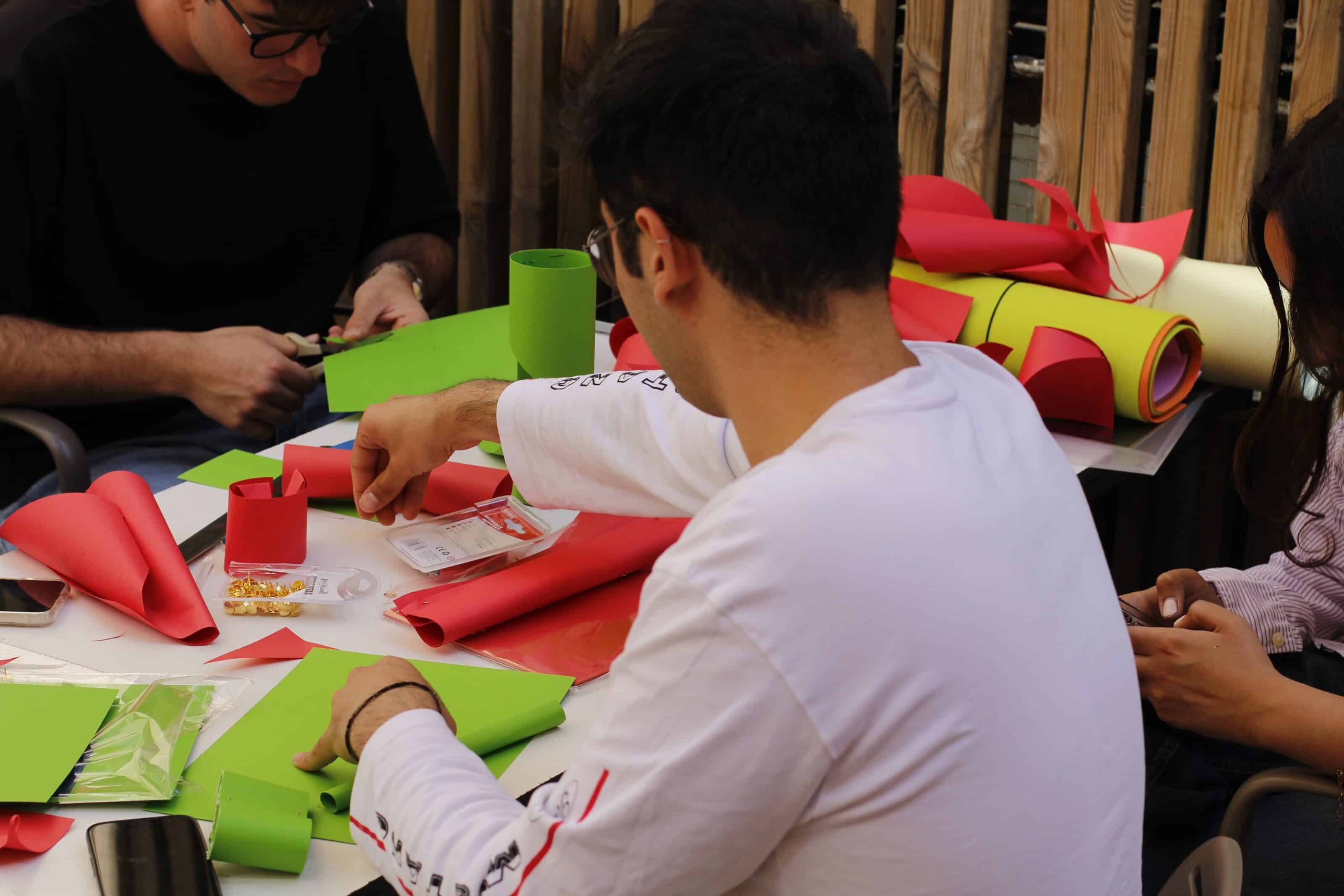
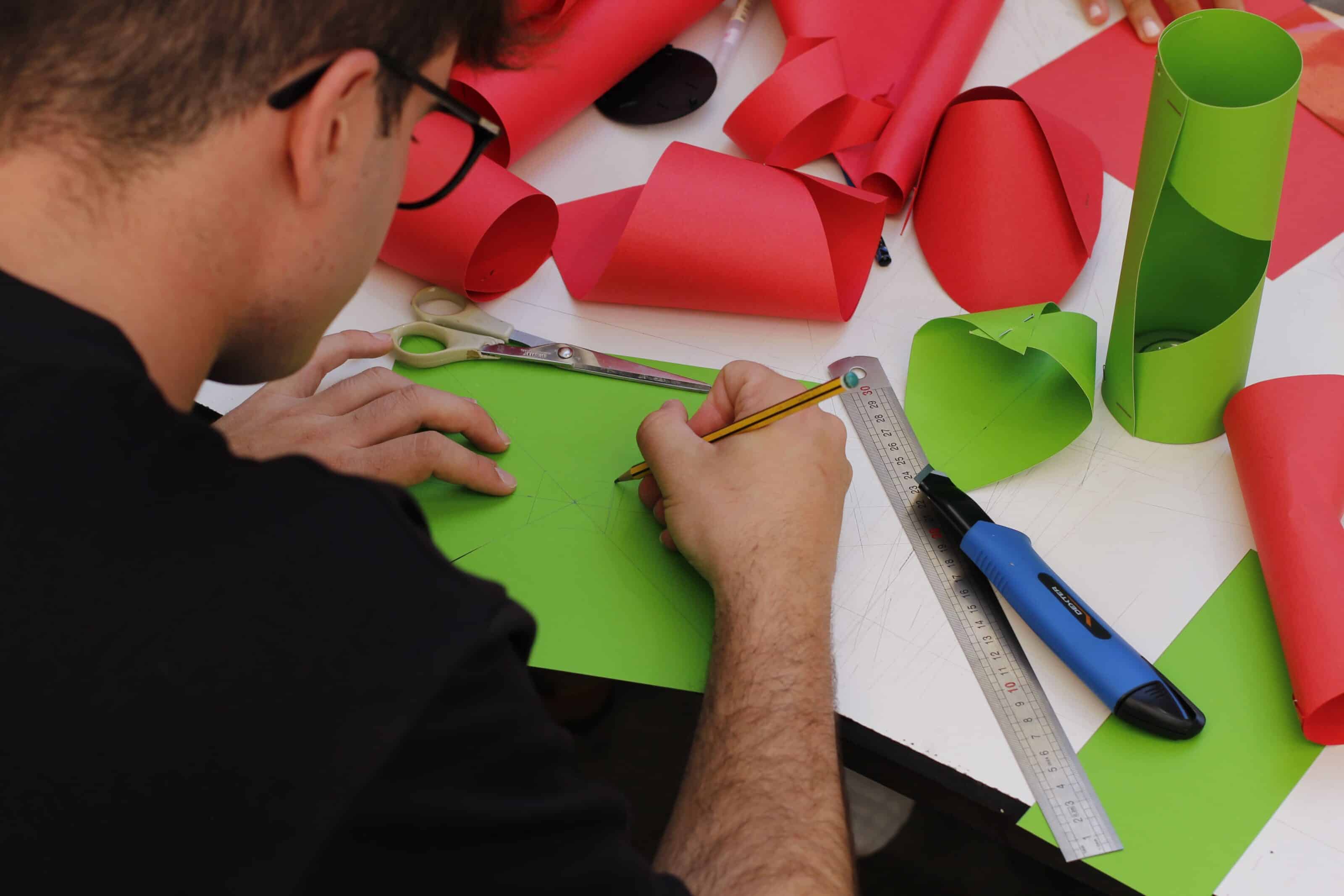
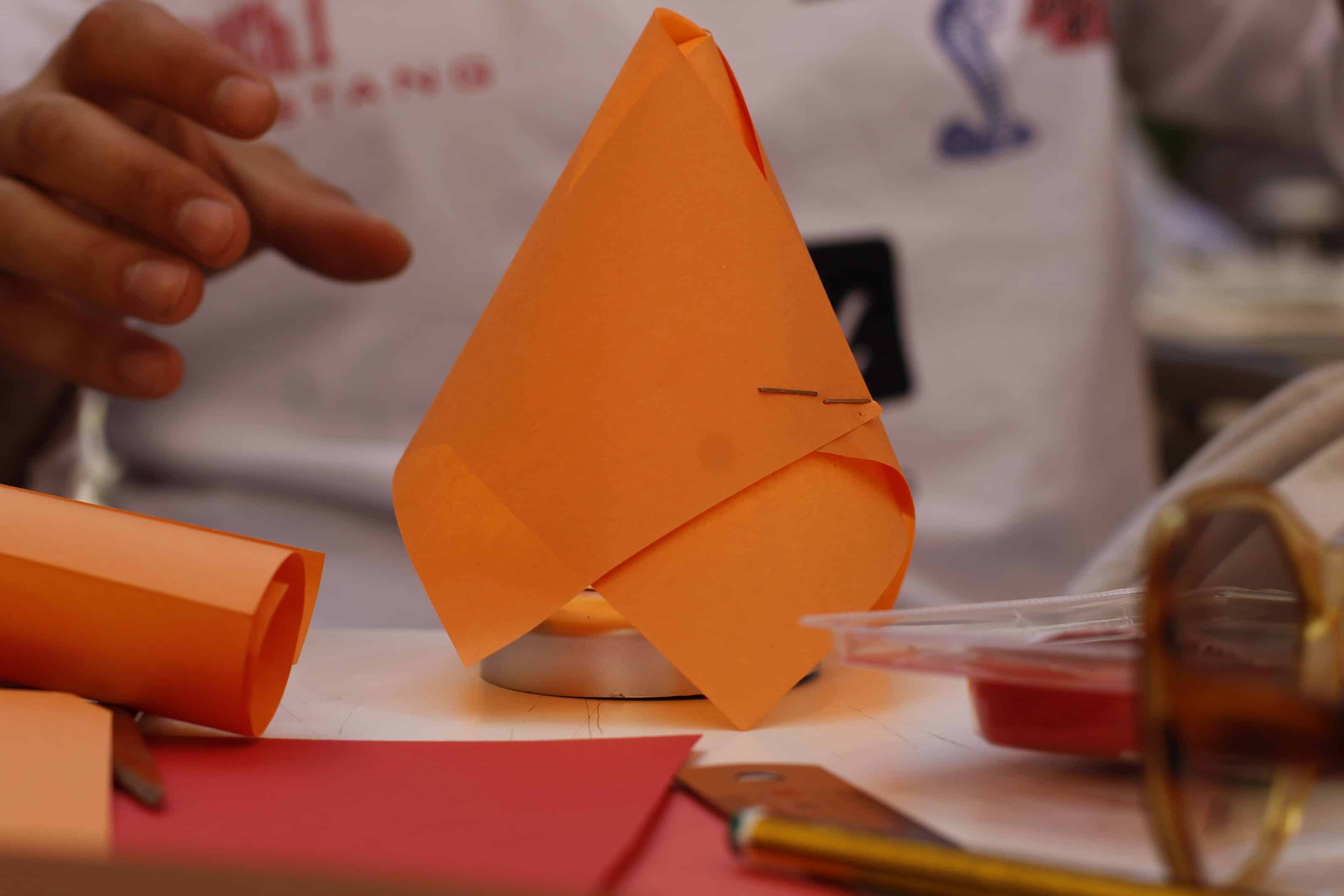
Constructed from flat sheets and truncated cones, the design ensures efficient fabrication. Every fold and cut serves a purpose—there are no unnecessary details. Form, material, and gesture come together in a coherent, expressive object that conveys warmth through simplicity.
The Product – Olivia
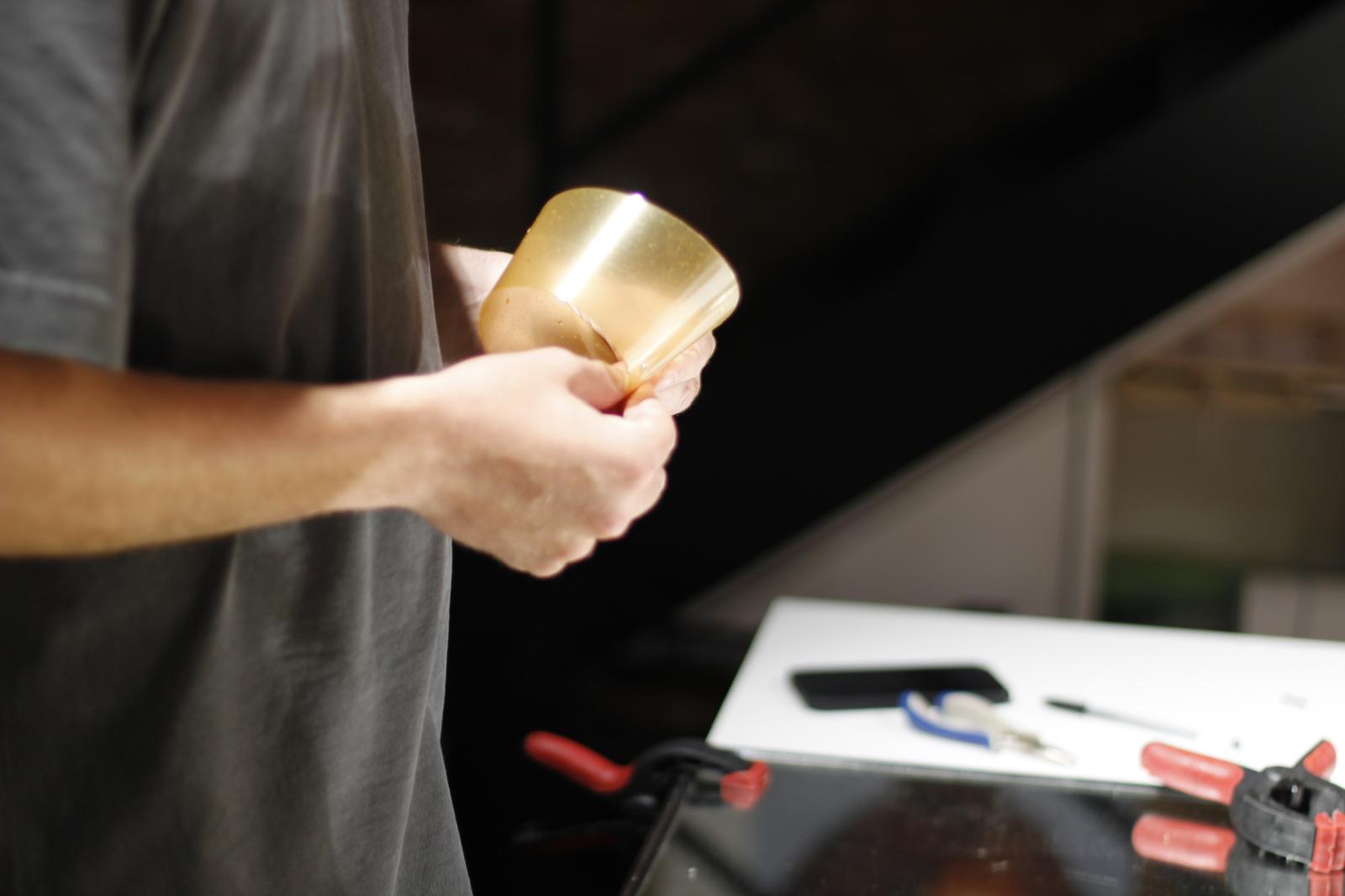
The project’s development was shaped by the relationship between material, technique, and narrative. Early exploration of Reolivar Aire sheets defined both the form and aesthetic language of the piece.
Through modeling and inspiration from the symbolic toast gesture, a simple yet expressive geometry emerged, where each fold and cut serves a clear purpose.
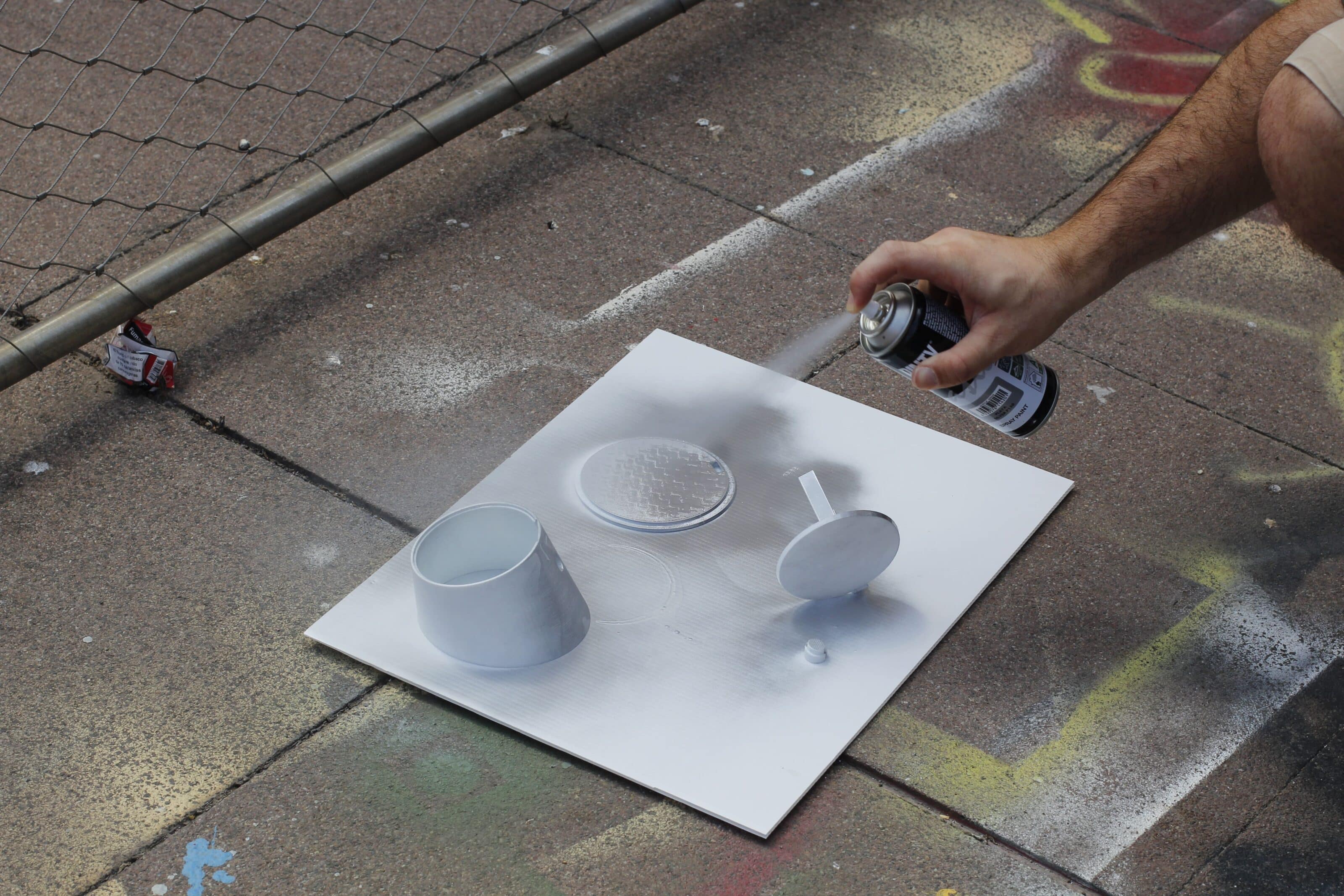
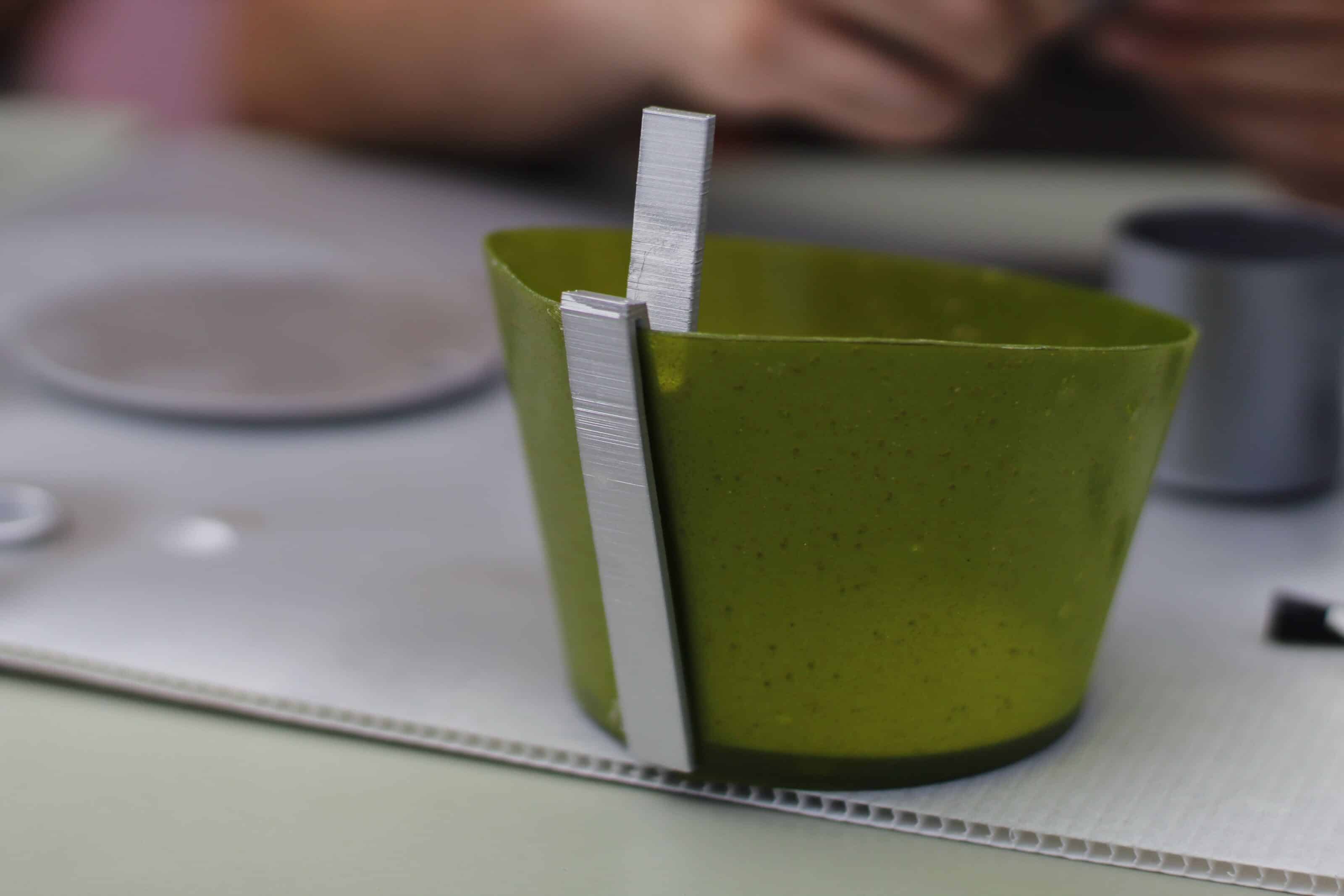
Olivia consists of a shade and base joined at an angle that evokes two glasses clinking. The shade, made from Reolivar Aire—a bio-composite from olive pits—is formed by curving a flat sheet. Its lightness and organic texture give it warmth and character.
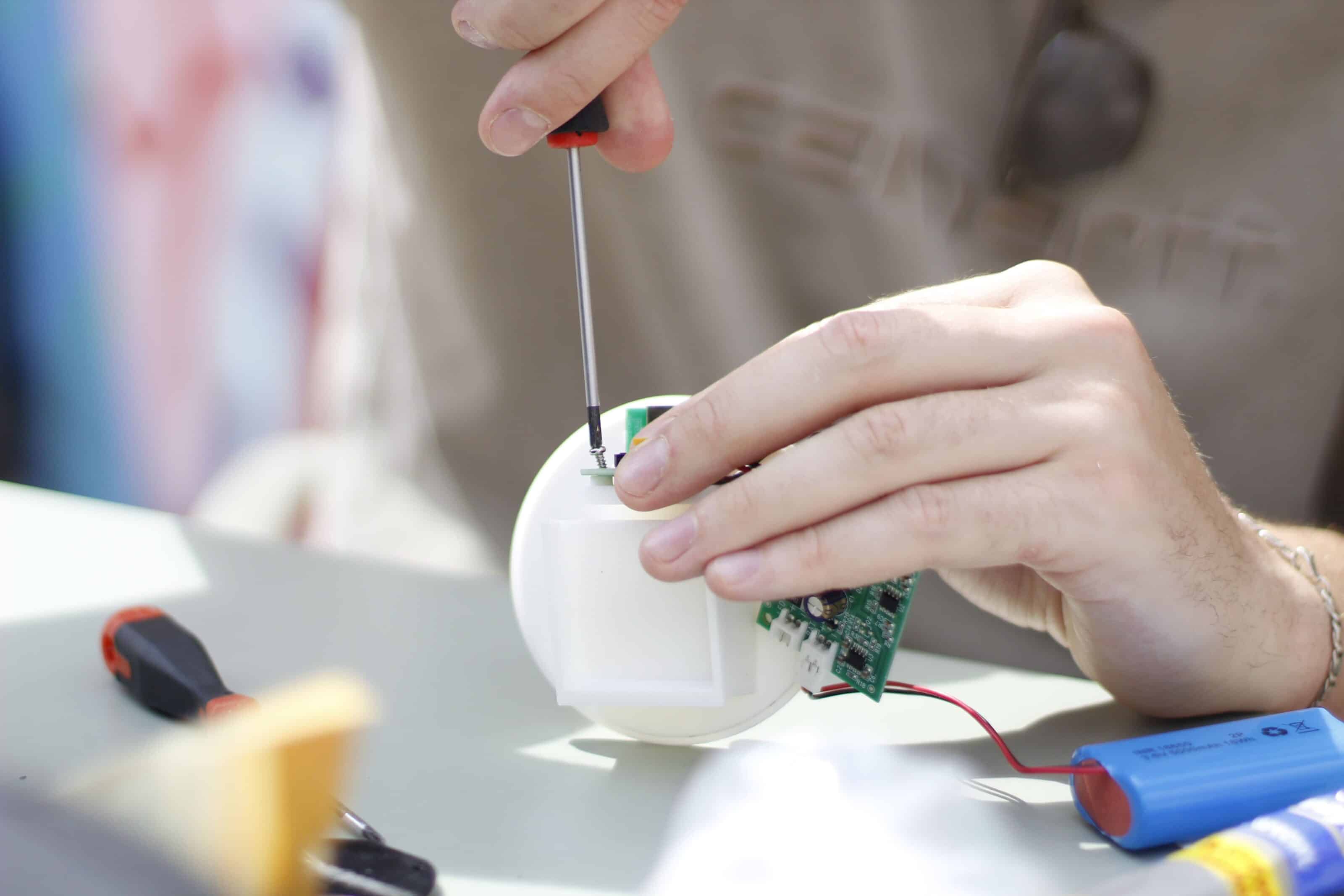
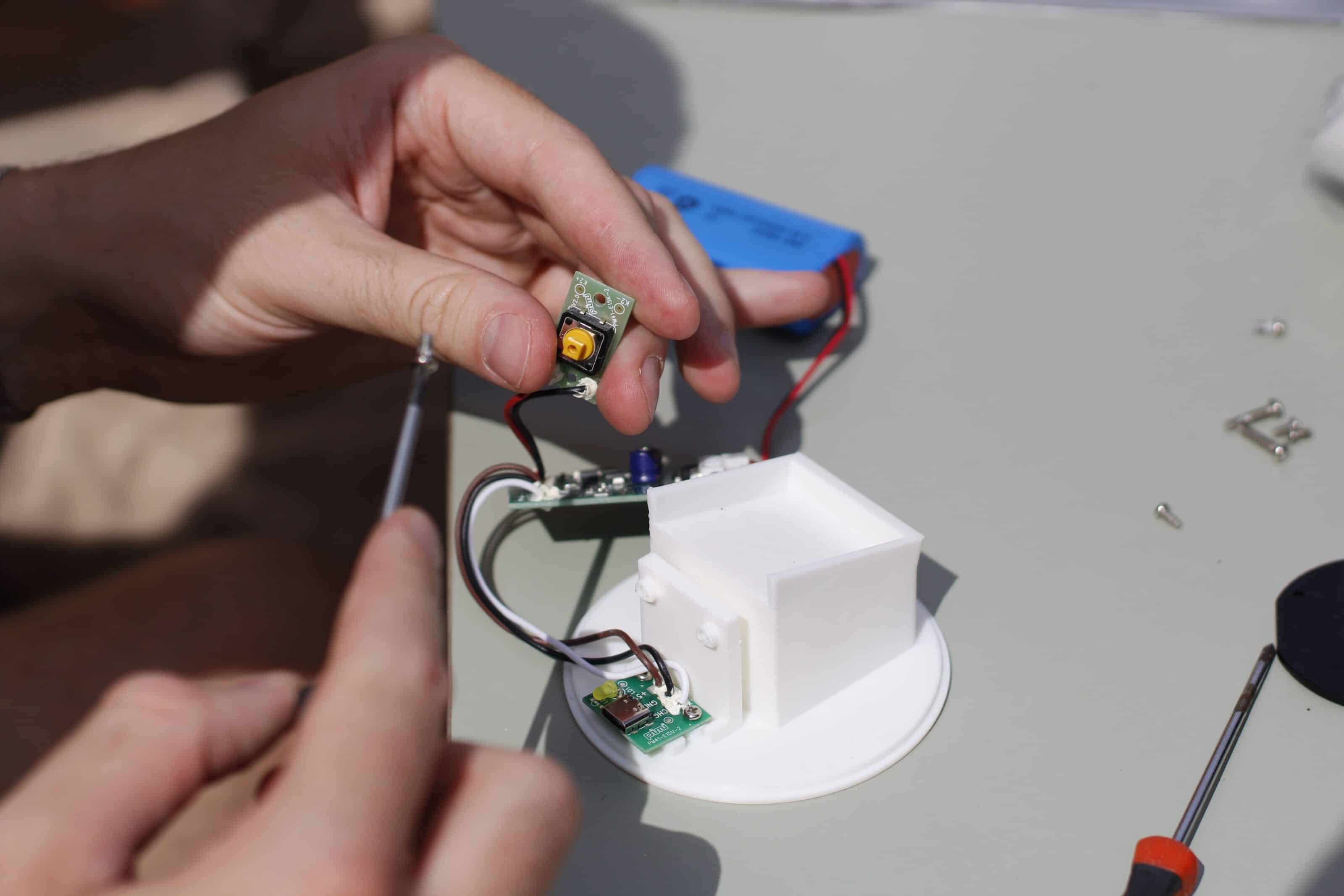
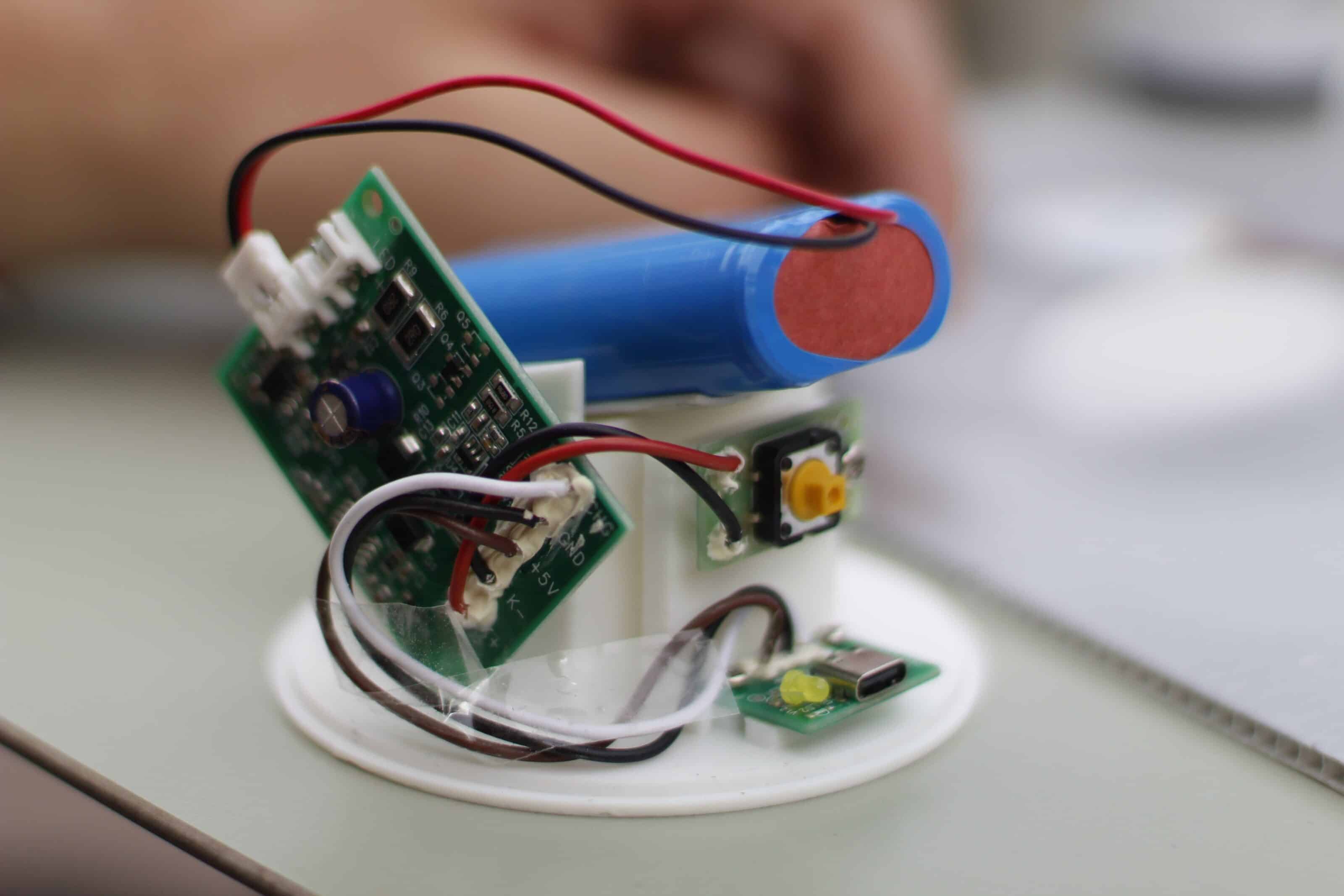
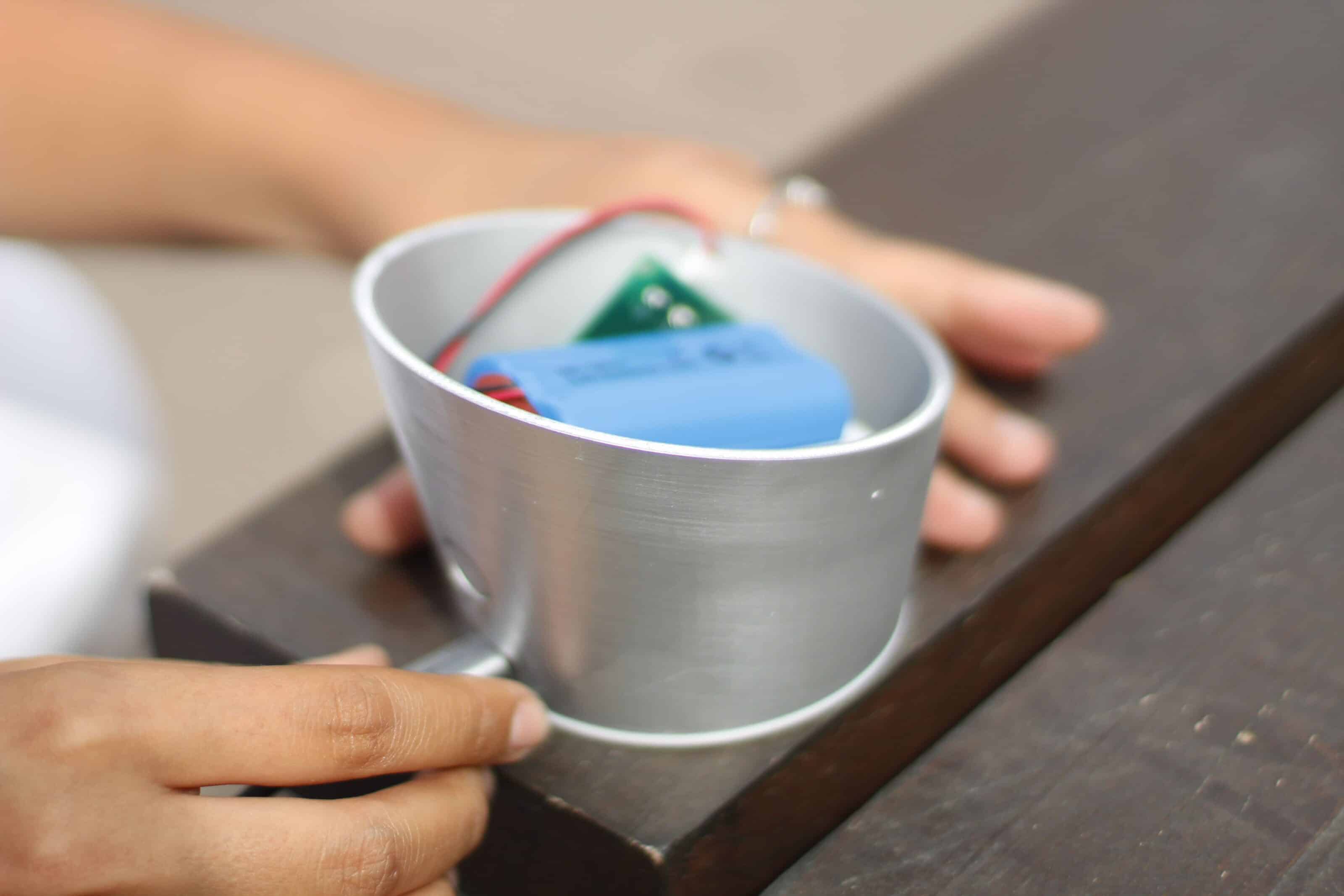
The machined aluminum base provides stability and precision. Composed of three functional parts, it completes a design that is both coherent and balanced.