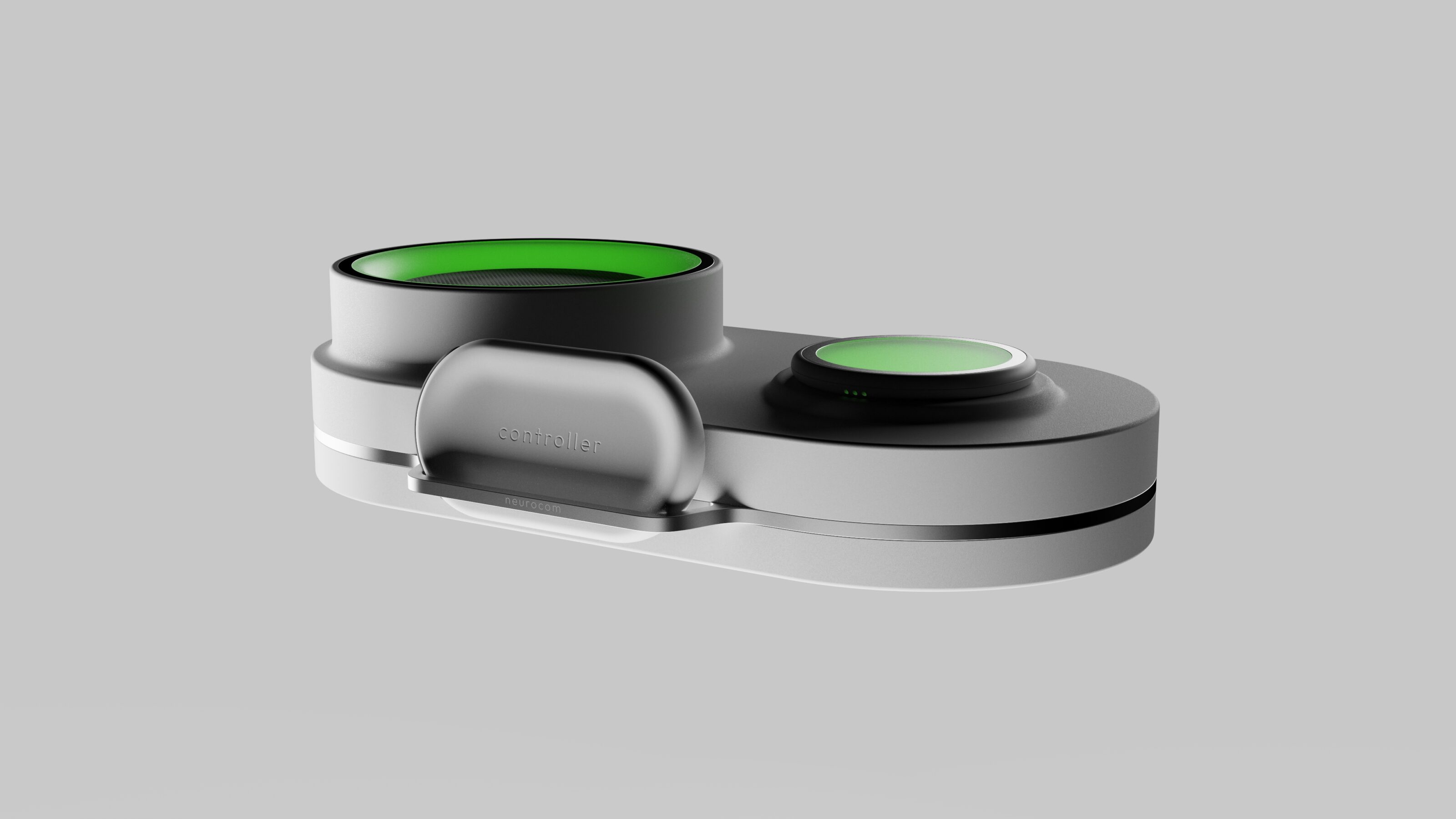
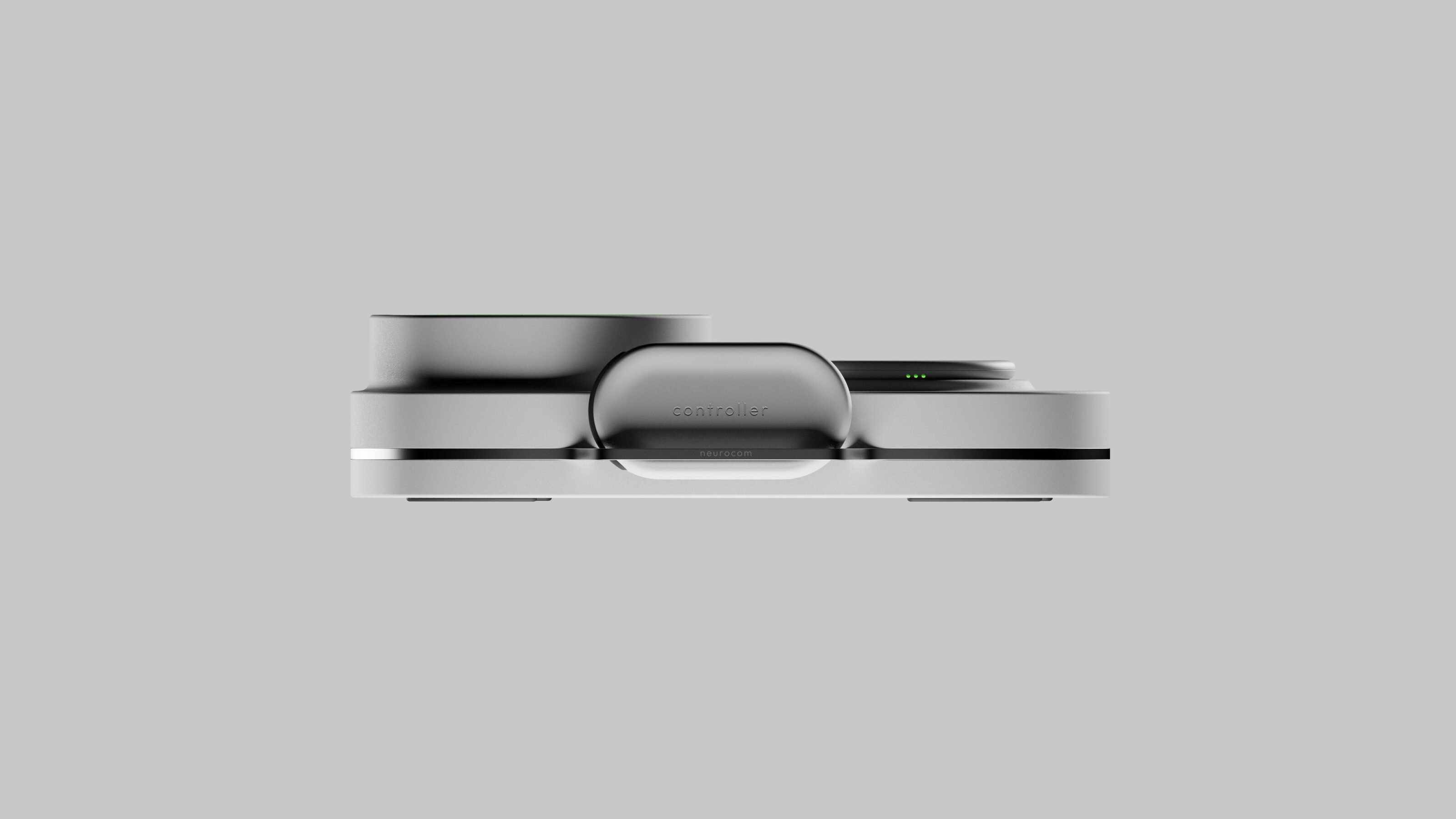
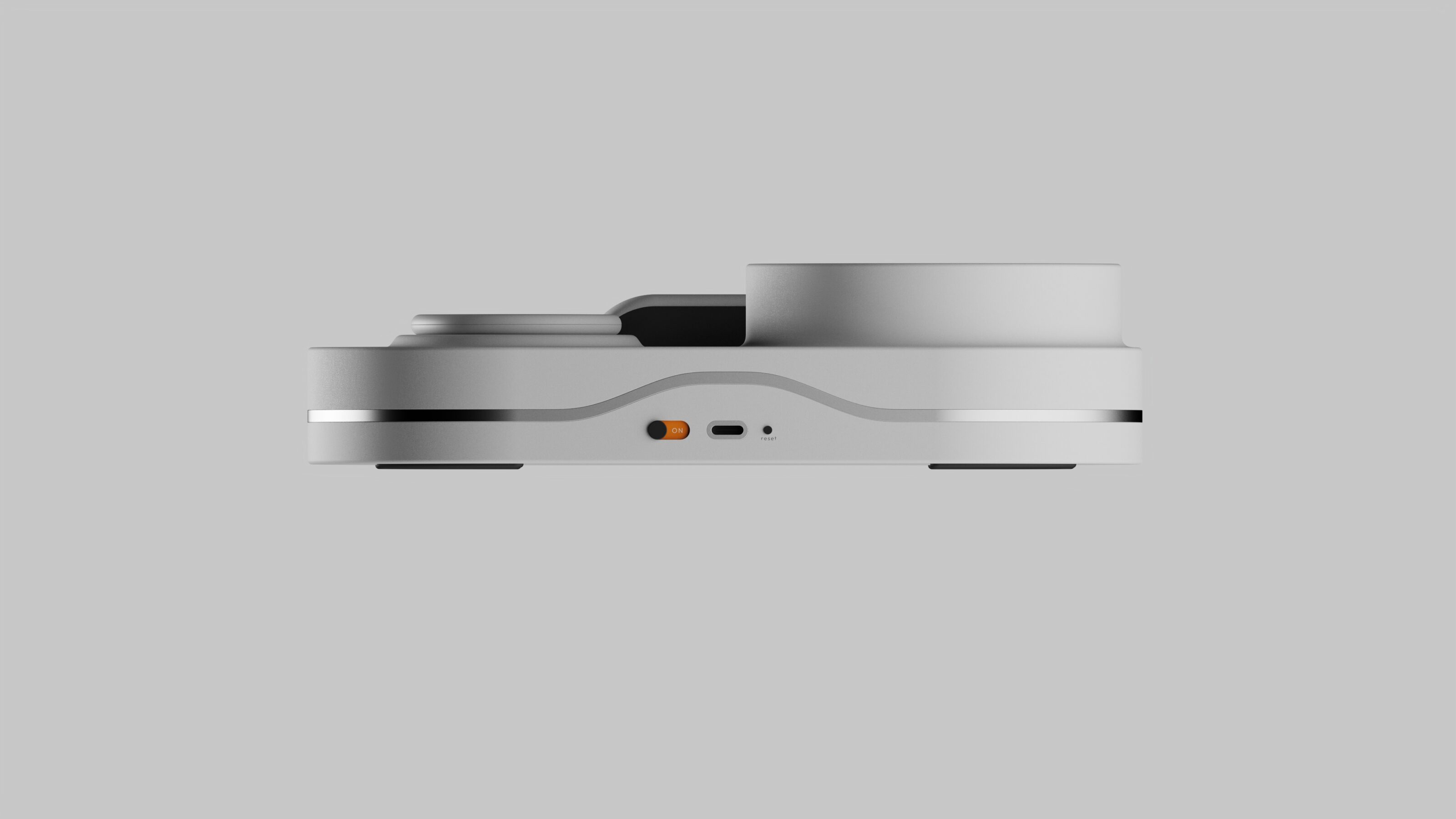
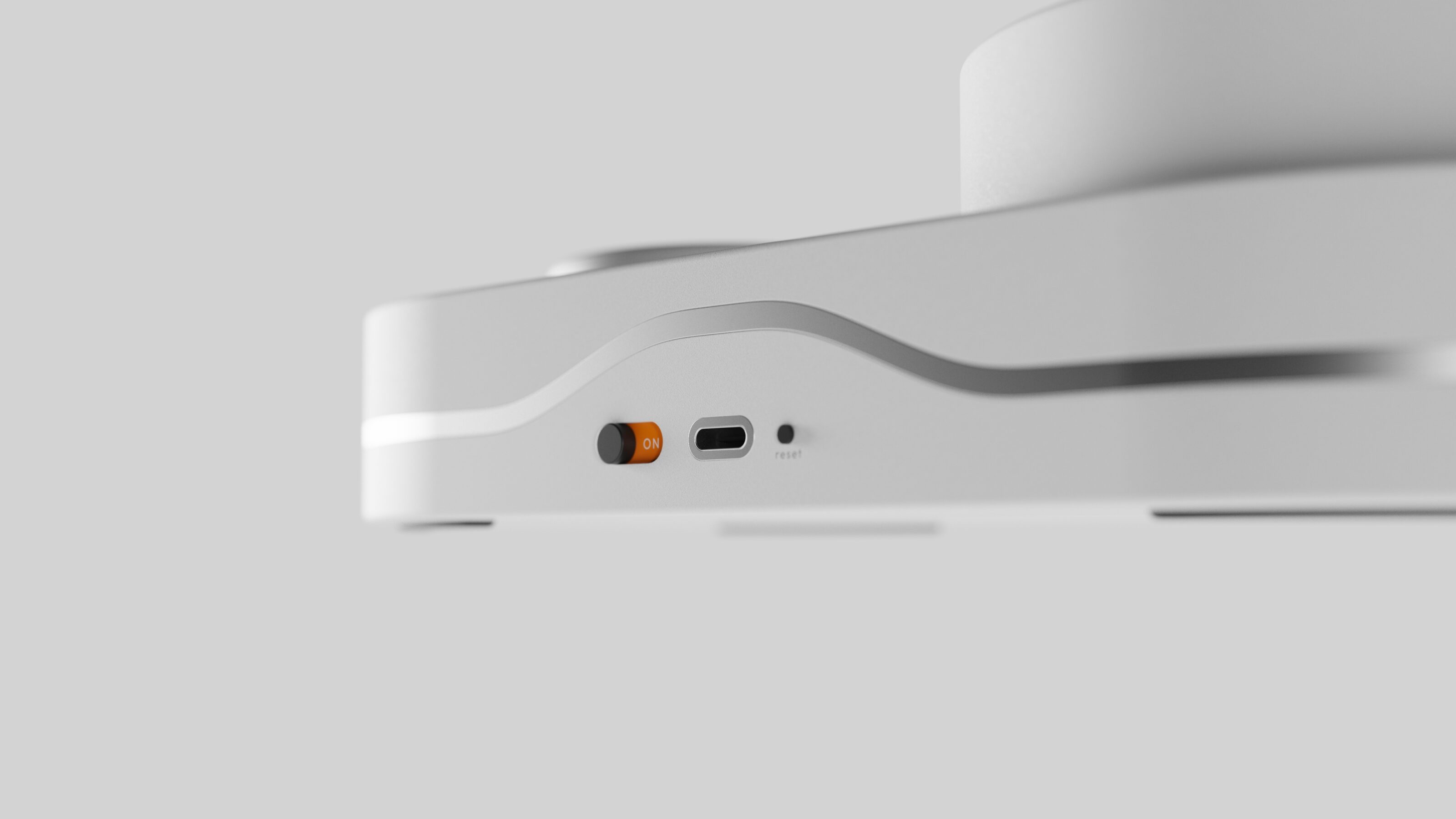
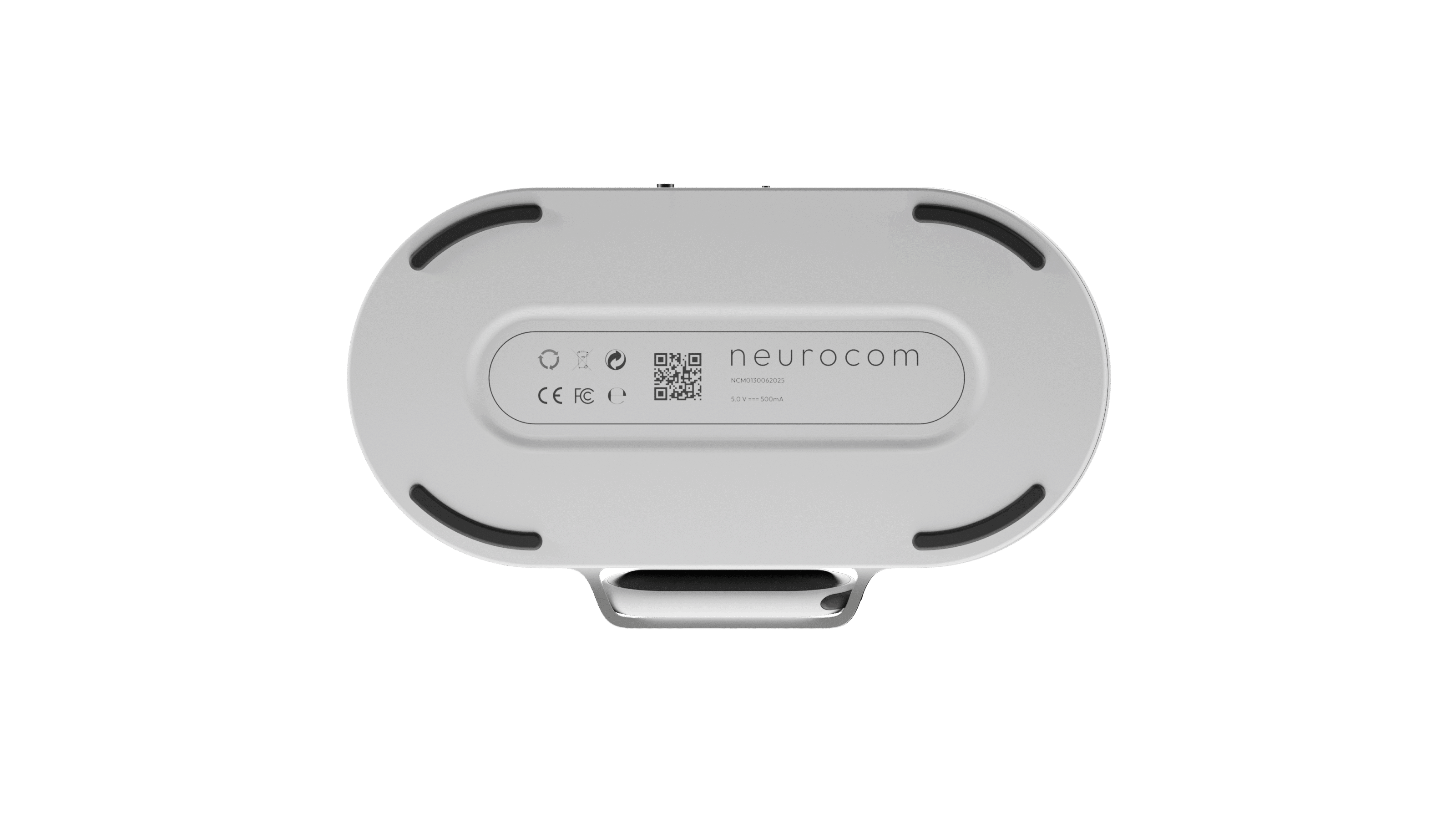
From firsthand experience in physiotherapy, we observed that communication posed a major challenge for many patients with neurological conditions. Outdated systems—never updated or improved—were still in use, resulting in interactions filled with frustration, discomfort, and emotional strain for both patients and their families. These methods demanded high energy from healthcare staff while offering poor communication quality. This reality highlighted the urgent need for change and inspired us to explore new approaches, bringing in current technological advances to create a more humane, fluid, and autonomous communication system.
HOW DOES IT WORK?
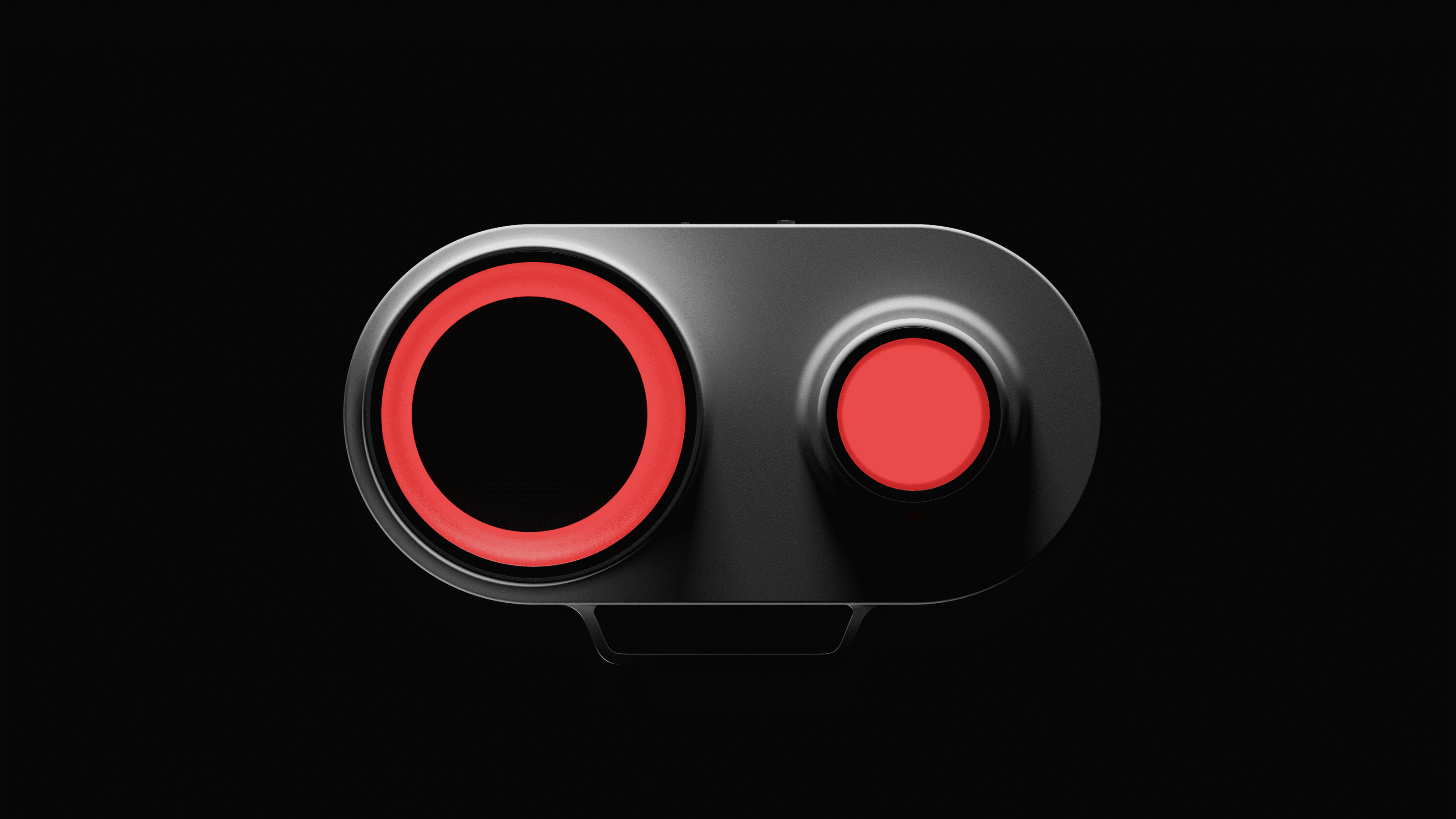
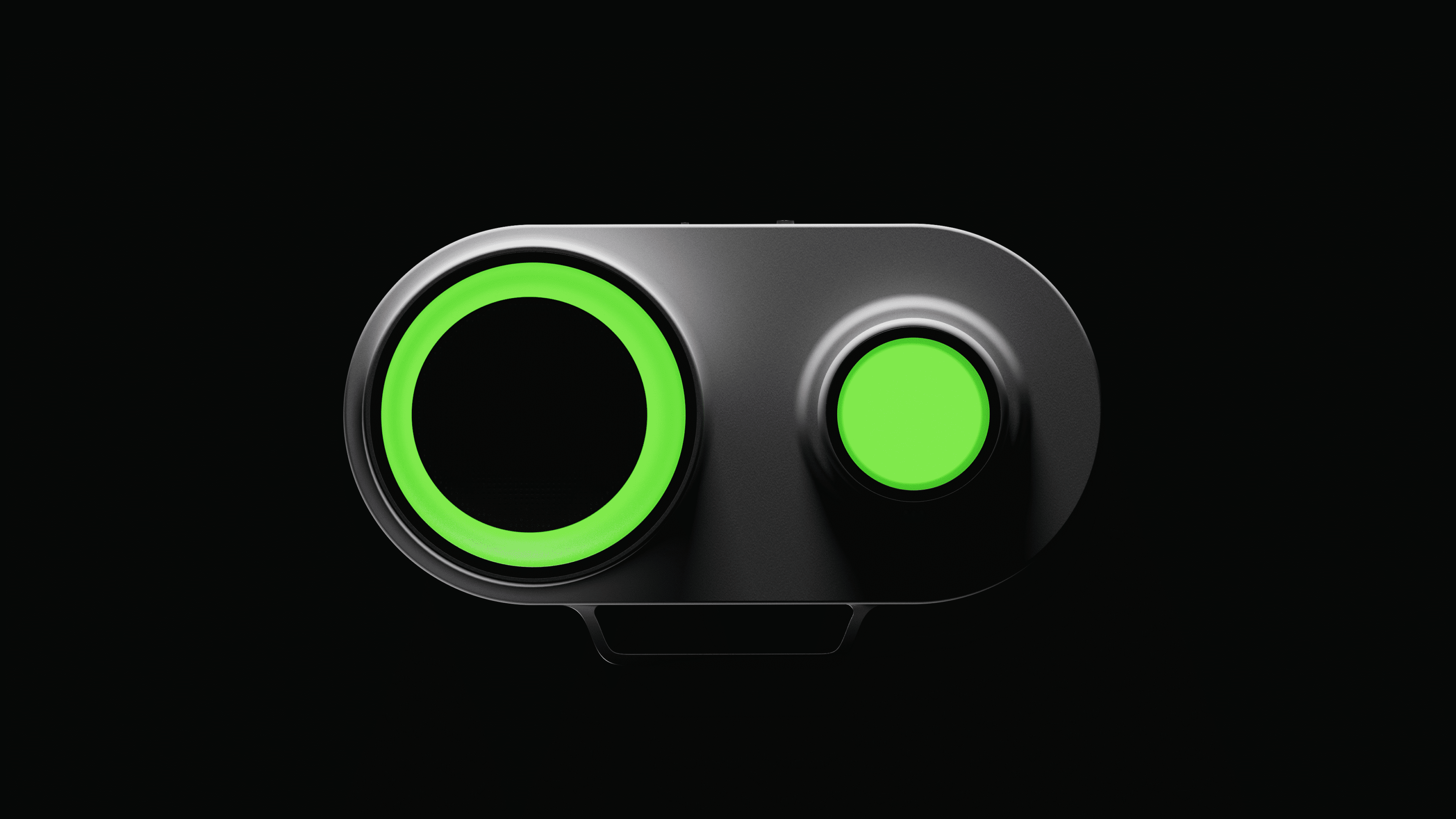
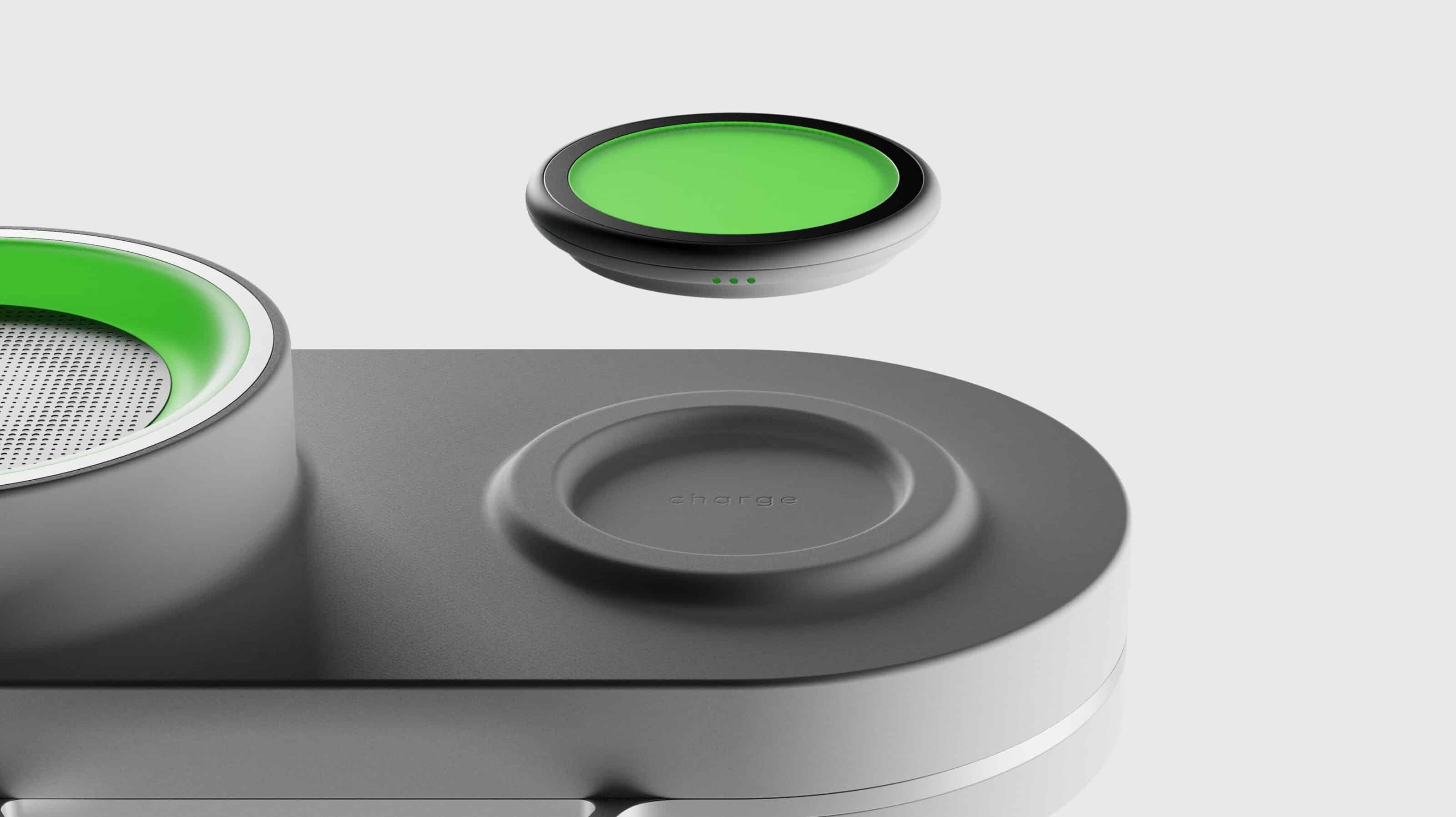
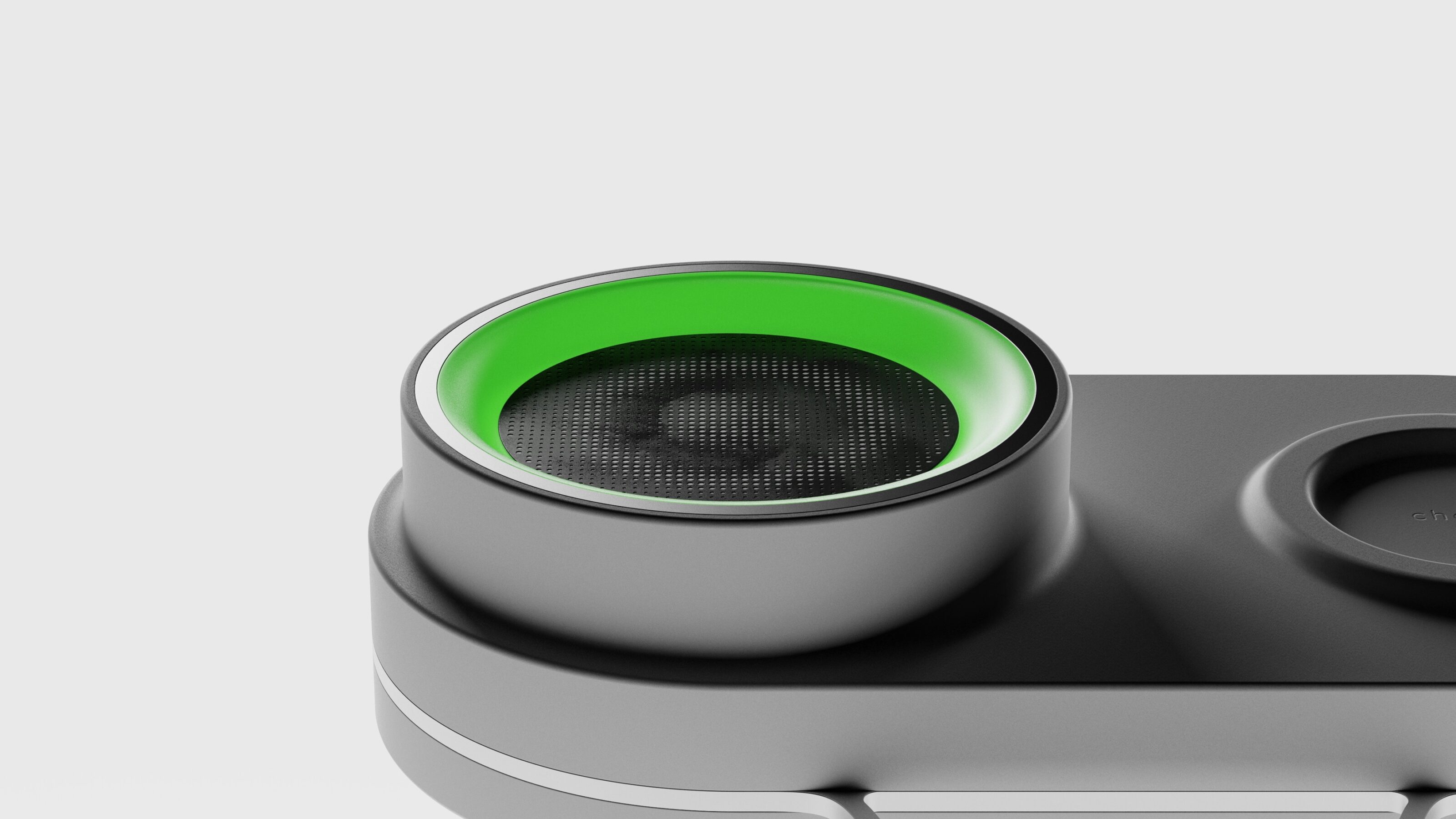
The device features two communication methods. The first is between the patient and the device, which is activated by pressing the positive button on the remote for 3 seconds. The integrated AI then wakes up and asks the patient questions, which are answered with yes—green light—or no—red light. If the patient confirms a need, they press the positive button again for 3 seconds, and an alert is sent to hospital staff. The second method is between the patient and an external person through a wearable device. If the patient feels discomfort, for example due to loud noise, they press the negative button, triggering a red light. If they feel fine or satisfied, for example after being repositioned, they press the positive button and a green light turns on. The external person interprets the message and responds accordingly. The entire system is designed to ensure clear, intuitive, and adaptive communication.
WHAT’S NEXT?
The future of this project is promising, as development can continue both on the physical product and its internal software. In the long term, it could offer not only smooth communication between patients and their surroundings, but also valuable data analysis through the device’s integrated AI. This would allow for a deeper understanding of human interactions, as well as the architectural dynamics of hospitals—identifying needs based on room location or patient profiles. The result is a tool not just for communication, but for improving human health on an individual level within each hospital.


