Problem to Solve
On one hand, riders suffer from pain in the lower back, perineal area, thighs, and even upper back, caused by a forced posture maintained for hours, combined with inefficient pressure distribution and a lack of dynamic cushioning to absorb the horse’s constant micro-impacts. These issues are worsened on uneven terrain or in adverse weather conditions, which are common in this discipline. In the long term, these factors can lead to overuse injuries, postural asymmetries, and loss of sensitivity, directly impacting performance and continuity in the sport.
On the other hand, the horse also suffers the direct consequences of a poorly adapted saddle. Concentrated pressure in unsuitable areas of the back—especially the withers, along the spine, and the lumbar region—can cause inflammation, chafing, muscle atrophy, and restricted movement. In many cases, these conditions are not visible in the early stages and gradually manifest through behavioral changes, reduced performance, or even structural injuries that compromise the animal’s health.


Internal Structure
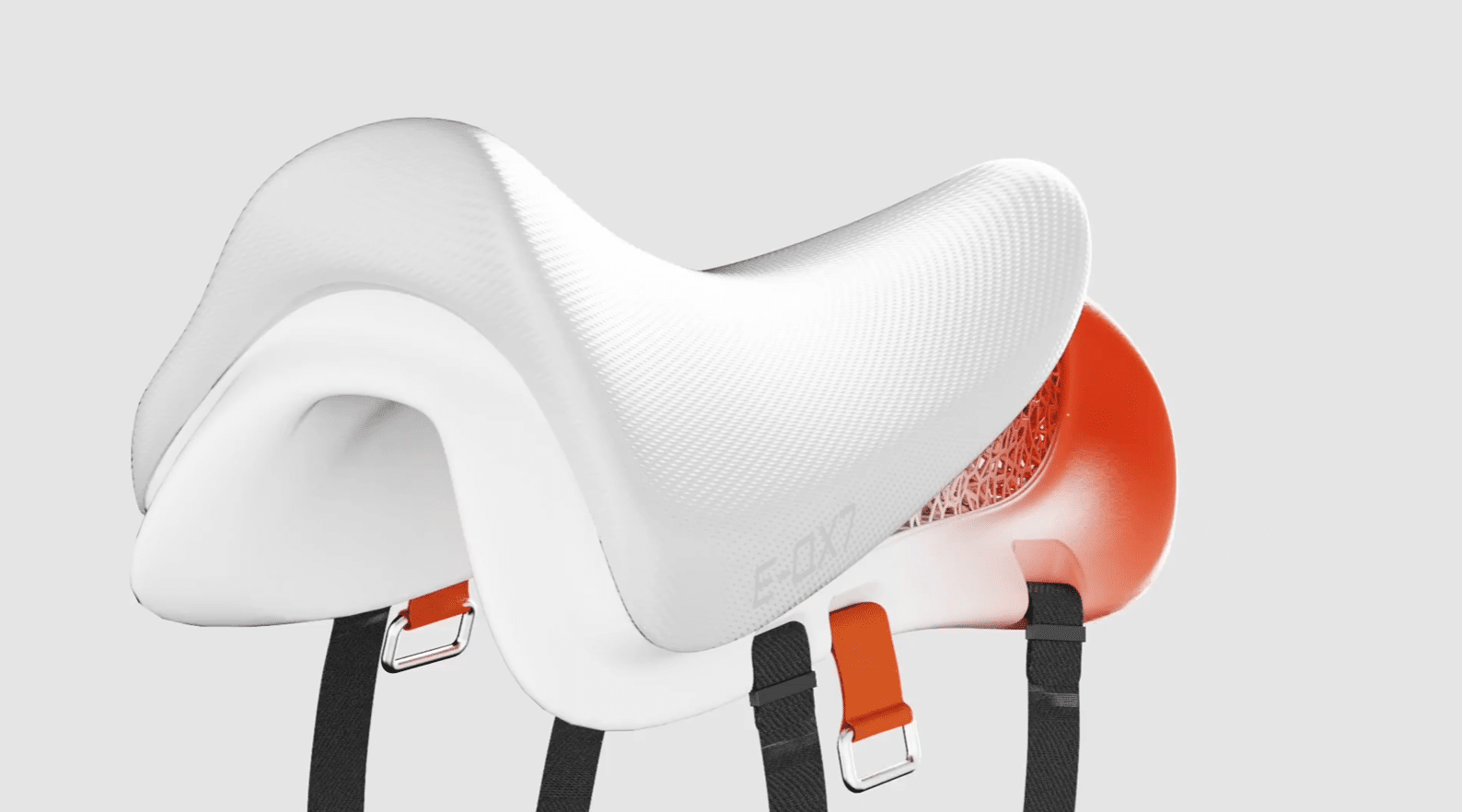
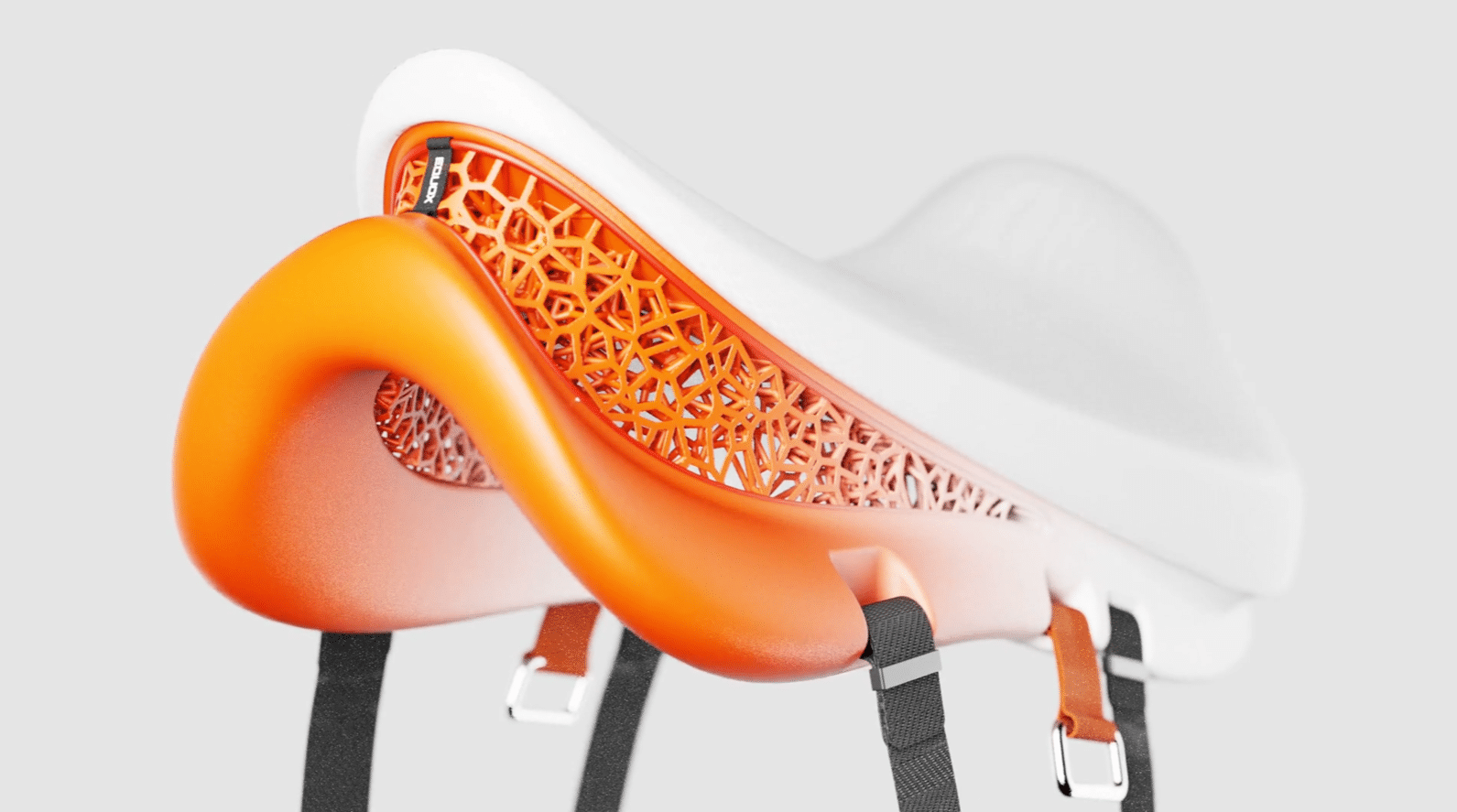
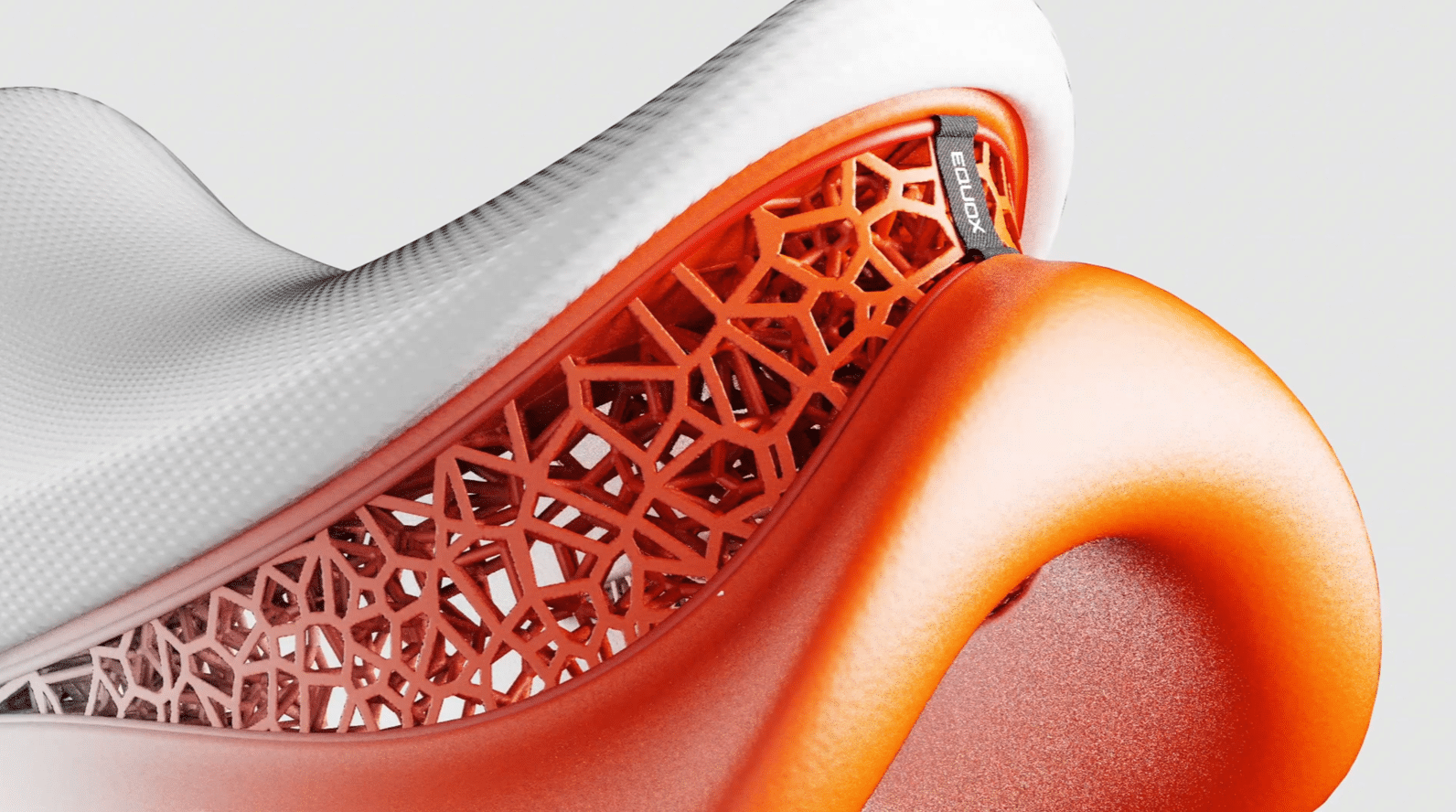
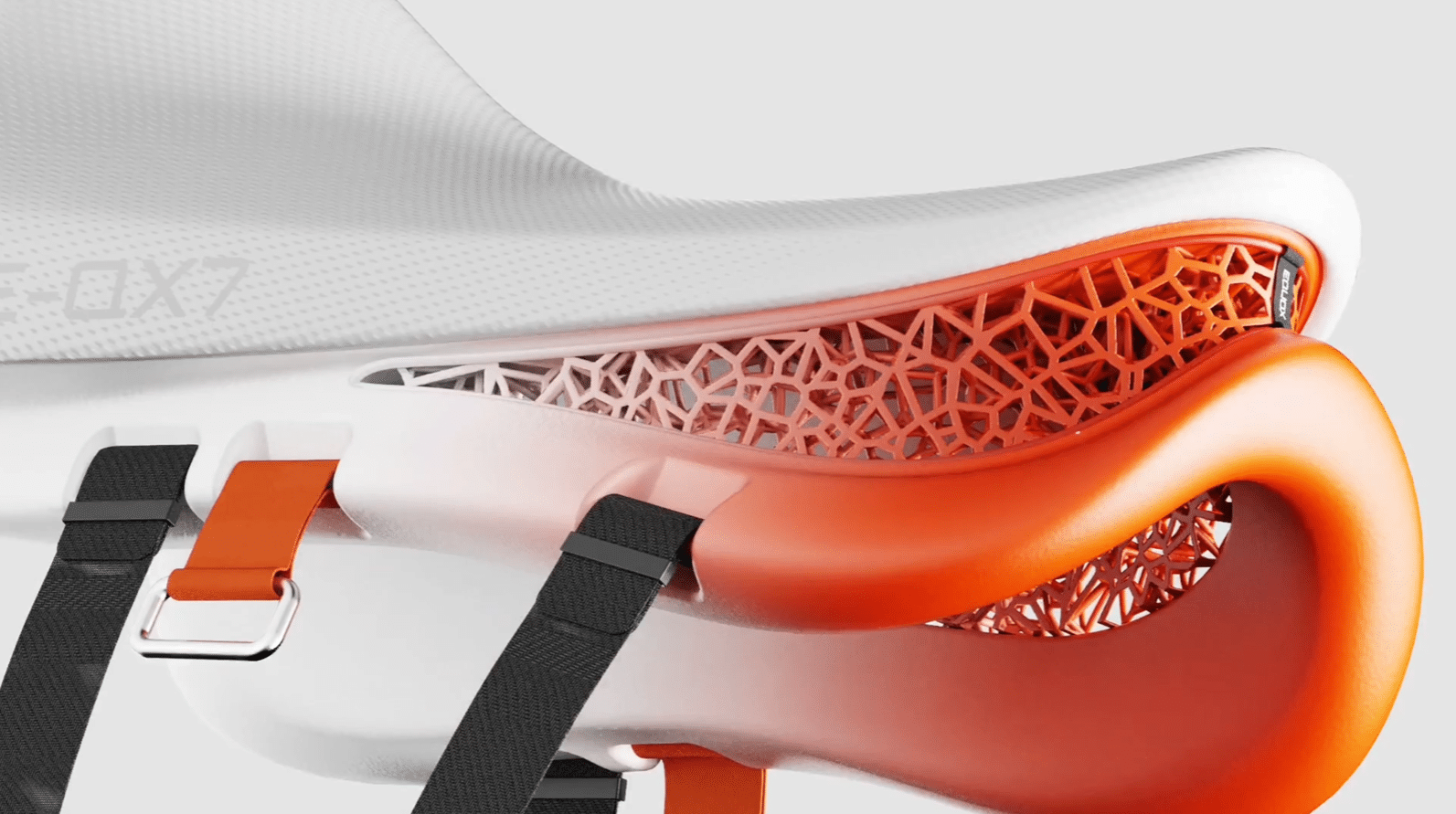
The internal structure of the saddle represents one of the most significant advancements compared to traditional market solutions. Inspired by bioinspired reticular geometries, this structure simultaneously fulfills several key functions.
First, it improves pressure distribution by spreading the load more evenly across the entire contact surface. This reduces the risk of excessive pressure points for both rider and horse.
Second, it functions as an intelligent cushioning system, absorbing the micro-impacts generated during riding—especially beneficial in disciplines like endurance, show jumping, or prolonged dressage.
An additional advantage is its ability to enhance internal ventilation. The open geometry allows air circulation, improving breathability, reducing heat buildup, and increasing comfort during long training sessions.
All of this is achieved without adding weight—on the contrary, this structural solution results in a saddle that is significantly lighter than traditional leather or composite saddles.
Safety First
To optimize control and safety during riding, the saddle’s surface features specific zones with anti-slip textures. In the rider contact area, these textures enhance grip and stability, reducing the risk of slipping even in humid or sweaty conditions. In the horse contact area, the textures are designed to provide secure positioning without causing friction or chafing, respecting the animal’s skin and coat.
Each texture serves a specific function and is strategically placed to reinforce the sense of control and confidence during use.
Total Adaptability
This product does not simply replicate traditional shapes or market standards—it analyzes, interprets, and adapts its geometry to the real needs of its two main users: the rider and the horse.
On the upper side, the surface has been shaped to promote a natural riding posture, aligned with the rider’s biomechanics, reducing strain on the hips, knees, and back.
On the underside, the surface in contact with the horse’s back has been designed to follow its anatomy, avoiding localized pressure points that could cause discomfort or injuries in the medium or long term.
This dual adaptation—human and animal—has been made possible through the use of 3D scanning tools, anthropometric analysis, and load simulations, allowing us to validate every design decision with real data.