How do new generations view
kitchen utensils?
This was the starting point of our brief: understanding how younger users — students, young professionals, first-time renters — interact with cooking tools today. In a fast-paced world where space is limited and habits are changing, traditional kitchenware often feels outdated or disconnected from real needs.
We asked ourselves:
What are their frustrations?
What do they truly use — and what stays in the drawer?
How can we make cooking simpler, cleaner, and more enjoyable?
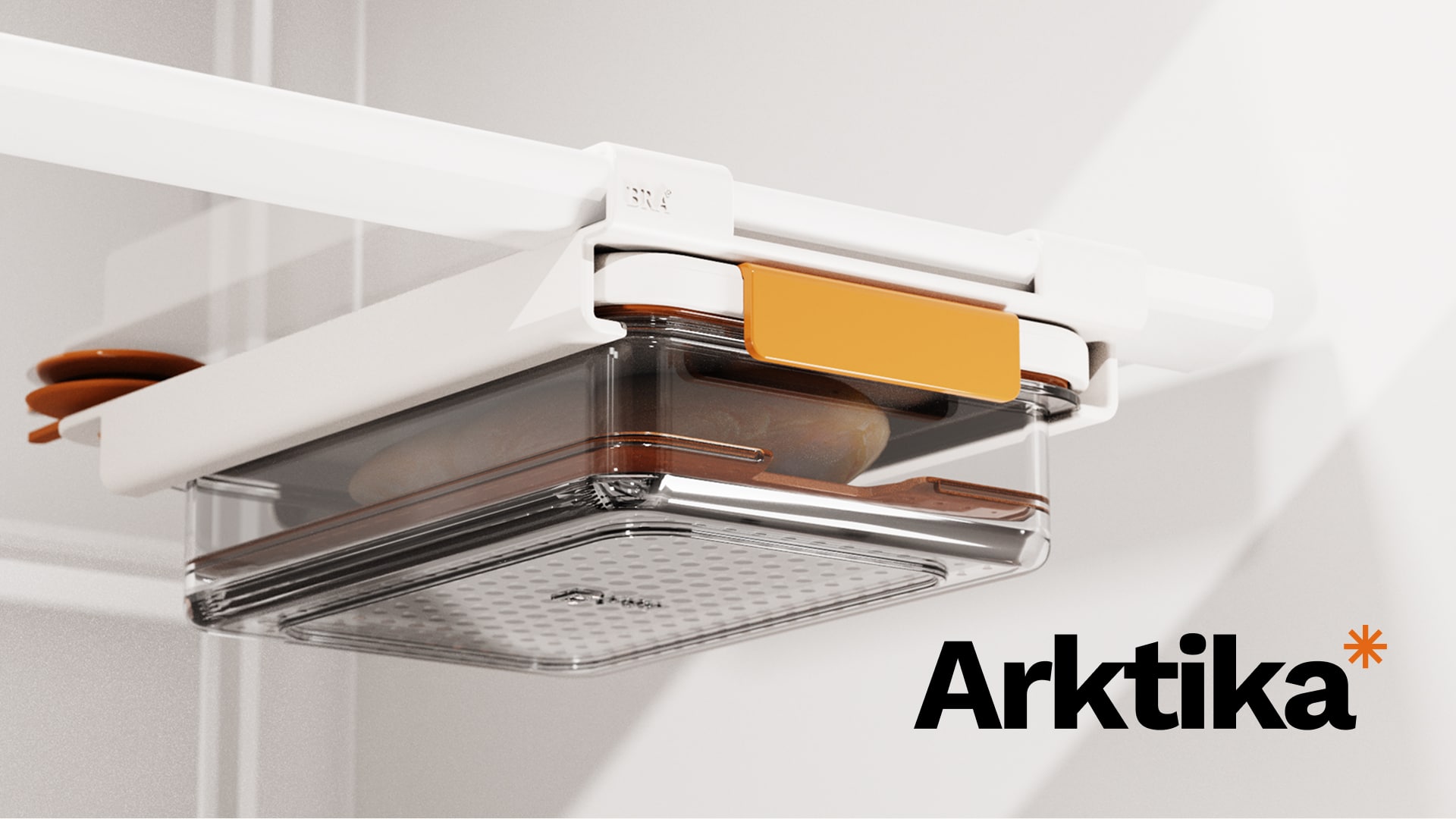
The Problem: Defrosting Has No Real Solutions
Defrosting food is one of those everyday tasks that no one really talks about — until you realize how poorly it fits into modern kitchen routines.
Most people use improvised solutions: a plate, a bowl, or a random container. The result?
→ Liquids everywhere.
→ Cross-contamination risks.
→ Inconsistent thawing.
→ And food that often ends up in the trash.
Despite being a basic kitchen task, defrosting is still messy, inefficient, and overlooked by most kitchenware brands.
We saw a clear opportunity: to design a tool that makes defrosting cleaner, more efficient, and more user-friendly — especially for young users who value practicality and hygiene.


