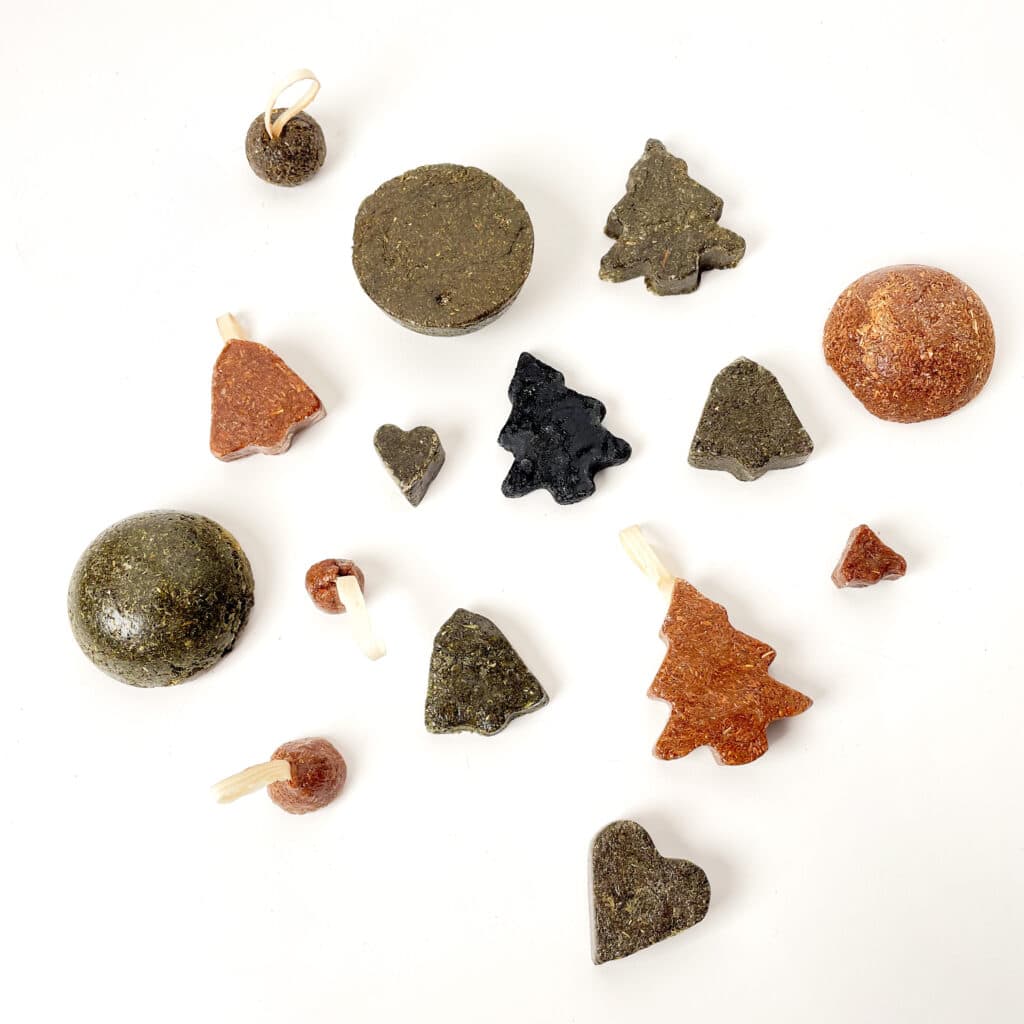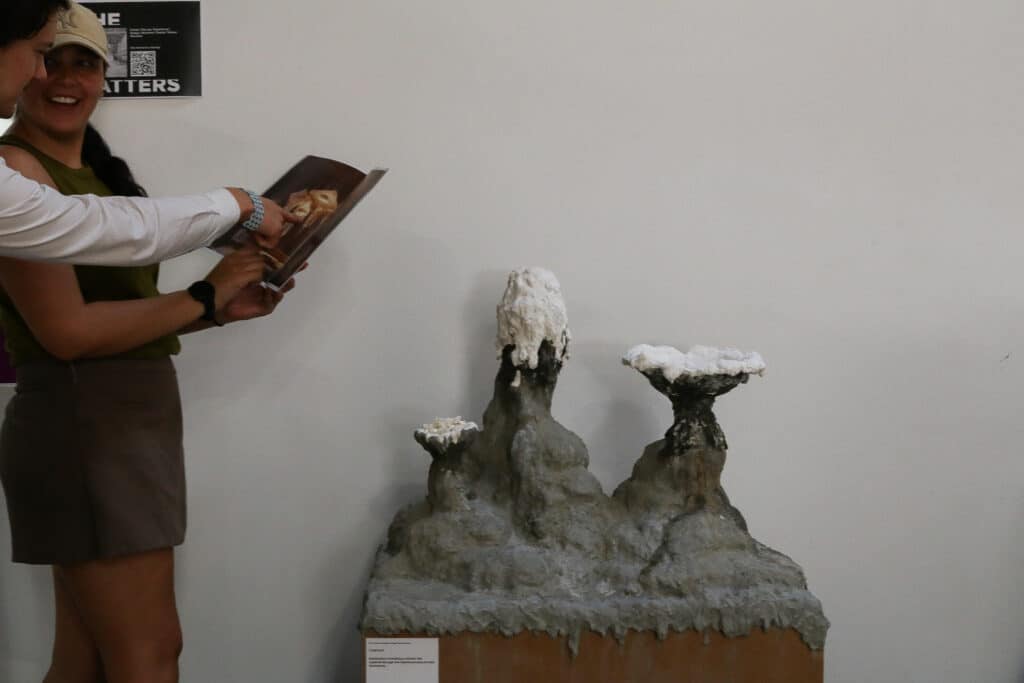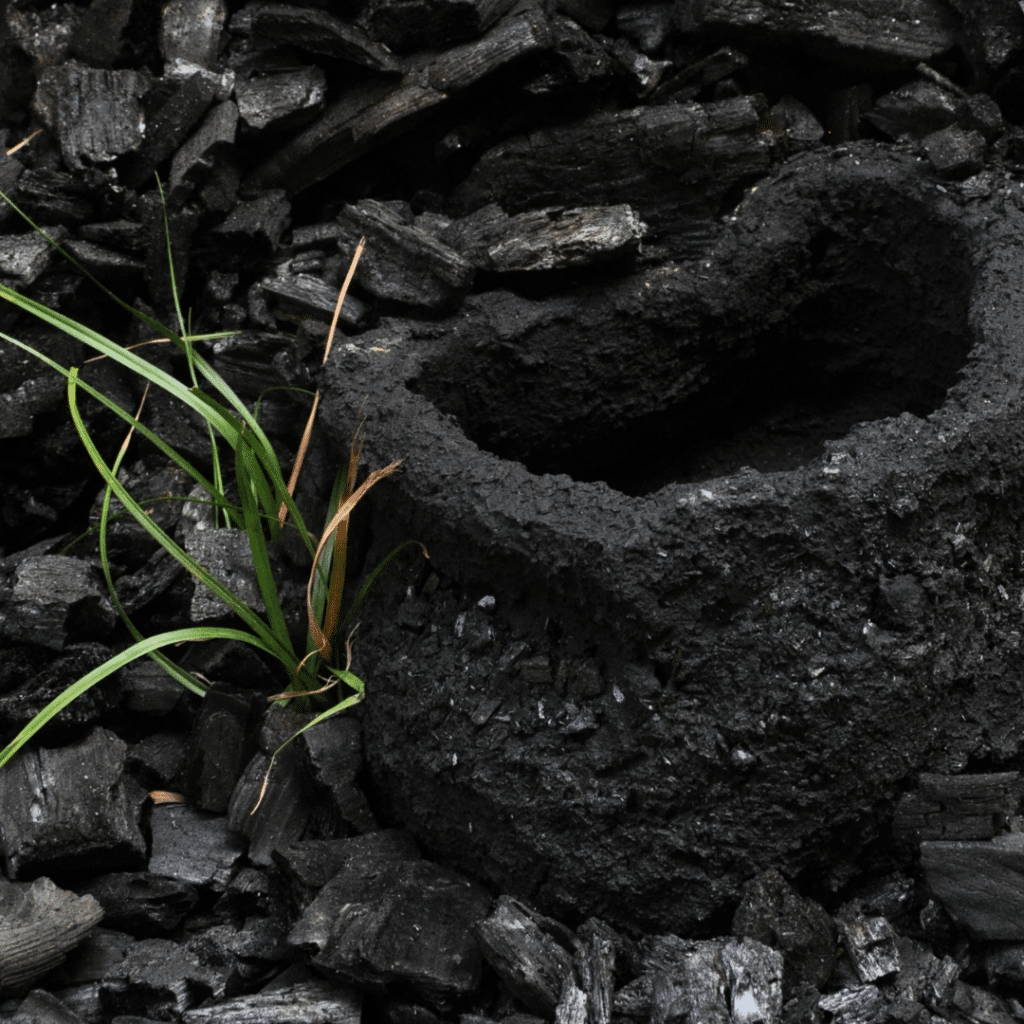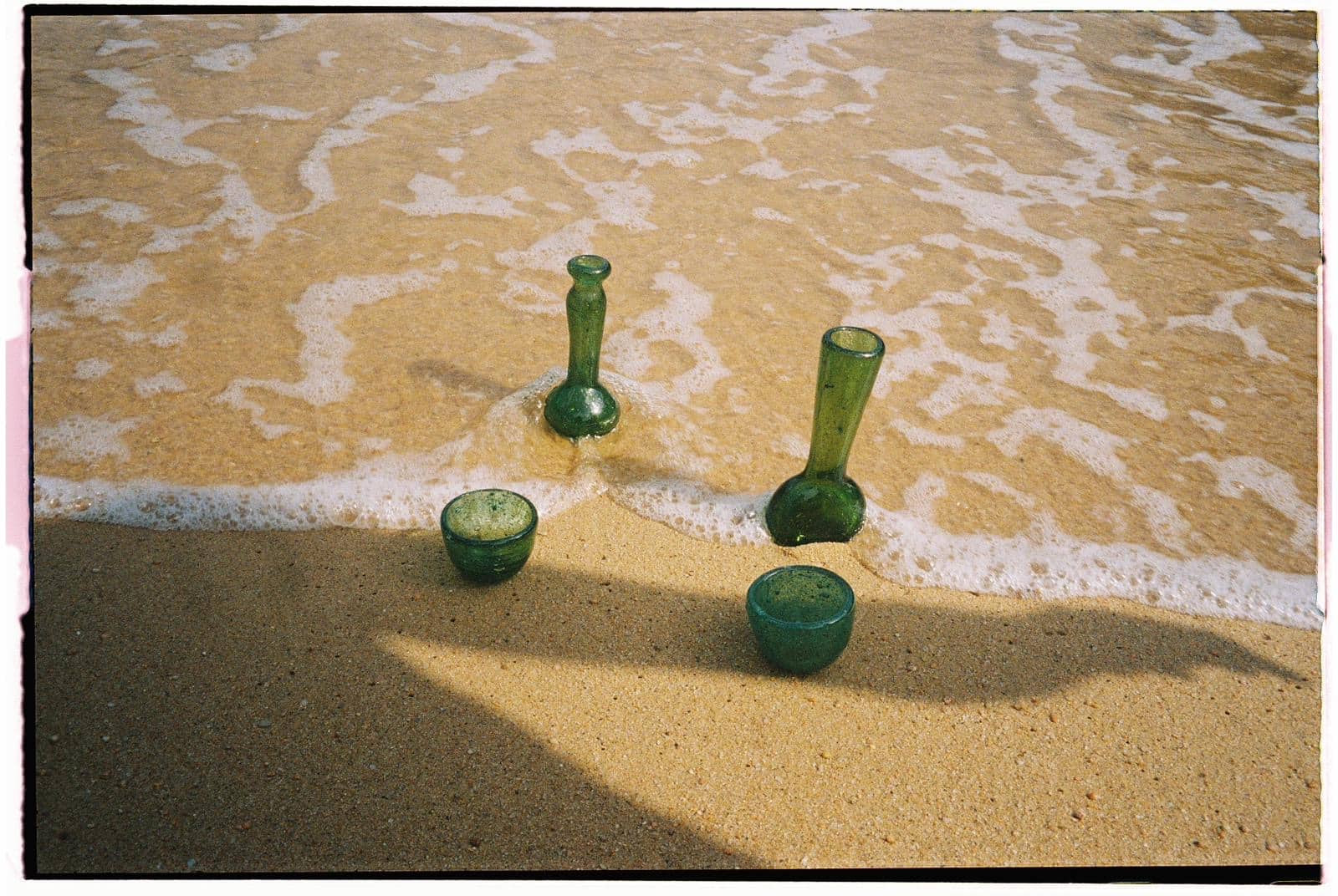
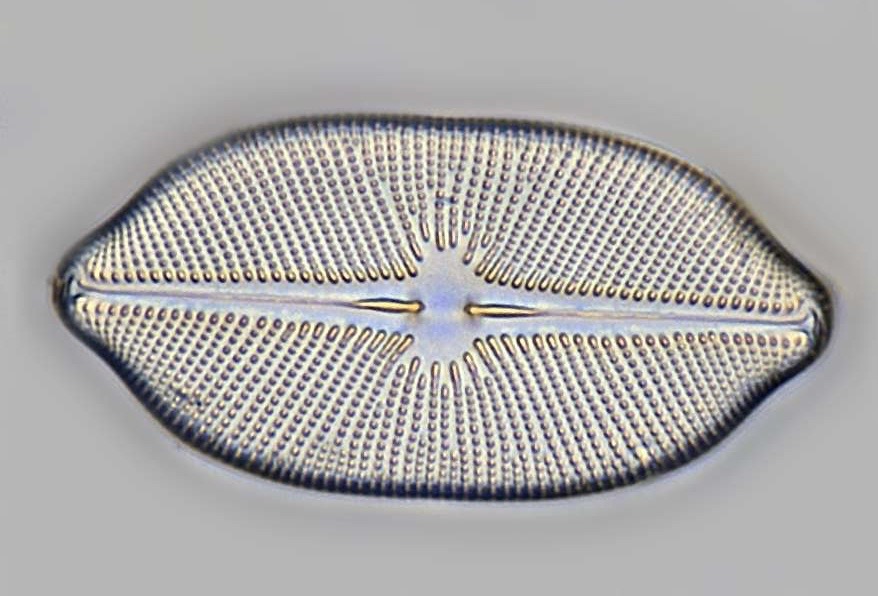
Microalgae are the most efficient photosynthetic organisms on Earth, capable of absorbing up to 50 times more CO2 per square meter than forests. Imagine a world where factories and extraction sites are replaced by vast microalgae farms, absorbing tons of CO2 daily. This vision is not just a dream—it’s achievable. Besides doing photosynthesis, a type of microalgae called “diatom” extracts silicon dioxide, an abundant mineral from the surrounding water and precipitates it into silica cell walls, making it the strongest material known in nature. Silica, the main component of sand, is essential for making glass and concrete. By growing diatoms for material applications, we can reduce reliance on environmentally destructive sand extraction, which harms coastal ecosystems, poses dangerous working conditions, and consumes significant energy. Additionally, cultivating diatoms could absorb hundreds of tons of CO2 per year while producing necessary materials. Beyond carbon capture, diatoms can purify wastewater and their bodies can be processed to extract oil for biofuel production. The microalgae ponds can be placed anywhere, including vulnerable non-fertile lands and therefore boost local economies without competing with food crops. After meticulous scientific and material research, Sea glass was born. Made from 90% diatom silica, it retains the properties of traditional glass while requiring less energy to melt. This new material opens doors to a future where materials are not extracted, but grown.